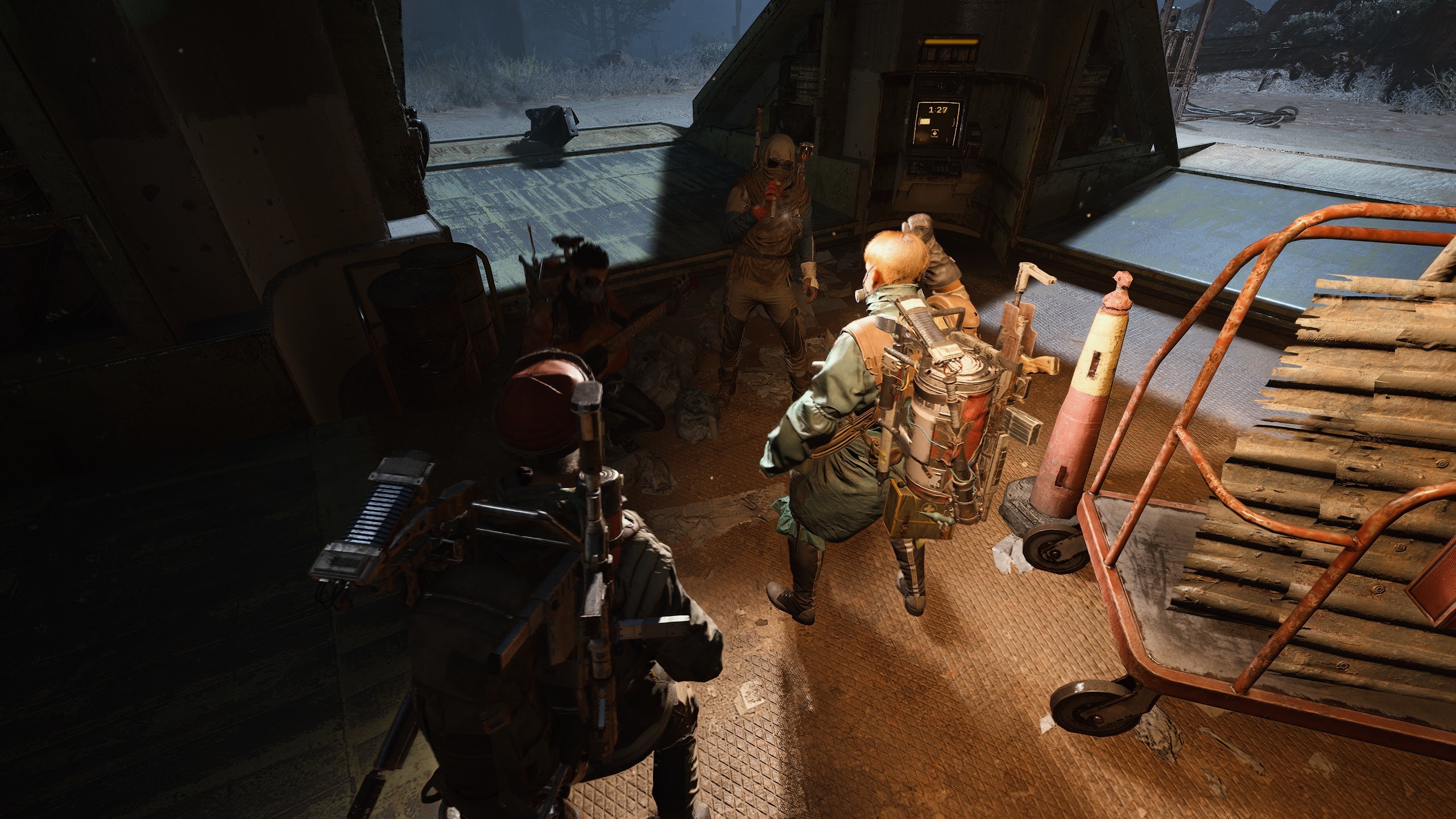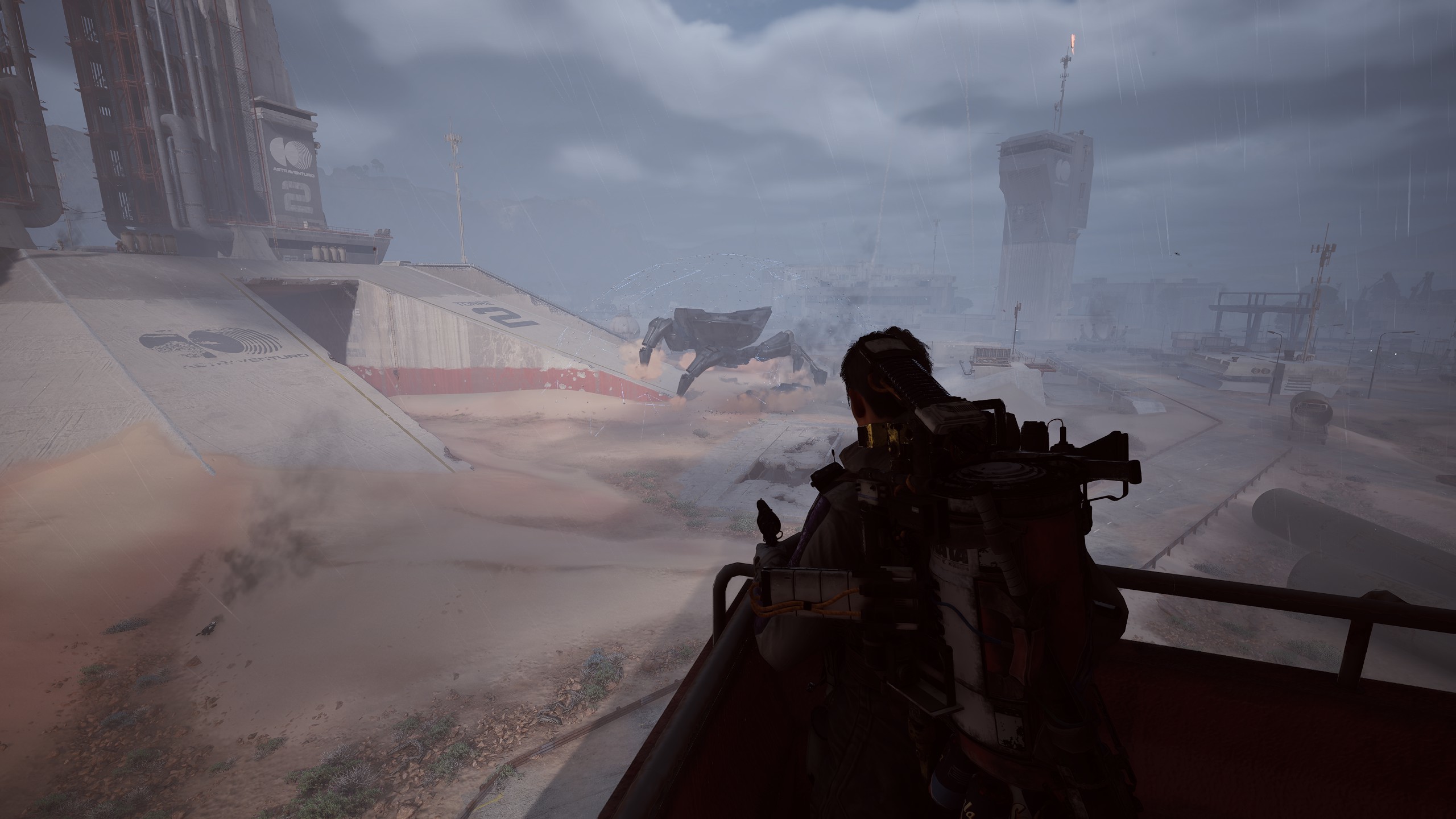

Melee-focused ARC units (advanced Striker variants, specialized CQC Enforcers) pose an immediate, lethal threat that demands perfect distance management. Kiting—the tactic of maintaining optimal, controlled distance while continuously inflicting damage—is the mandatory counter-measure against these unflinching, ground-based threats. **Kinetic Distance Management (KDM)** is the specialized discipline that utilizes speed, terrain, and controlled fire to systematically degrade the enemy’s structural integrity while minimizing Raider exposure, ensuring survival against threats whose only objective is close-range kinetic annihilation.
This final analysis dissects the principles of KDM, confirming why maintaining distance is the most effective form of defense and offense against the melee ARC threat.
The Principle of Optimal Threat Range
KDM defines the “Optimal Threat Range” (OTR)—the distance at which the Raider can reliably land accurate fire (TCA) while the ARC unit is denied its primary CQC engagement vector. For melee units, this OTR is achieved just outside their maximum pounce or sprint attack range. Effective kiting requires maintaining the enemy within this OTR, never allowing them to close the final gap.
- **Violation of KDM:** Allowing the ARC unit to enter close range forces a high-risk melee counter-takedown (KO) or the immediate, costly deployment of a Shield Wall.
Utilizing Speed and Traversal (VHS)
Kiting relies heavily on superior Raider mobility. Raiders must utilize a continuous cycle of movement: firing a short burst and then immediately moving laterally or retreating rapidly (Slide-and-Shoot, VHS). The Grappling Hook is invaluable for traversing urban environments, creating immediate, uncrossable gaps (vertical or horizontal) between the Raider and the melee pursuit unit, disrupting their kinetic momentum.
Terrain Manipulation and Choke Points (EW)

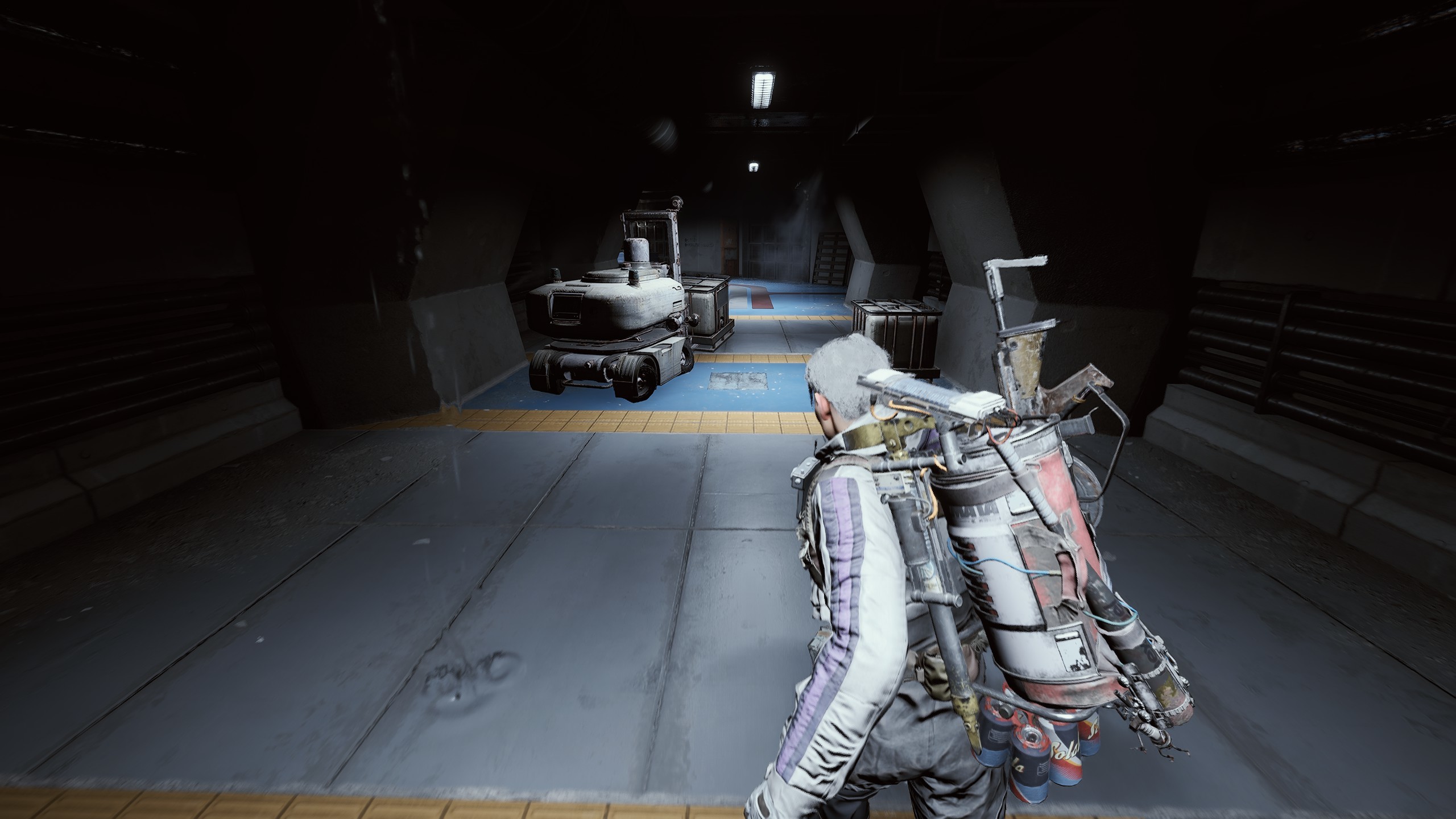
KDM demands terrain mastery. Raiders should lure unflinching melee units into terrain that naturally impedes their speed, such as dense rubble, standing water, or tight corridors. Environmental Weaponization (EW) can be utilized to create temporary bottlenecks, momentarily slowing the pursuit and allowing the Raider to deliver an extended burst of damage while the target is impaired.
| KDM Tactic | Threat Level Mitigated | Resource Benefit |
|---|---|---|
| **Lateral Strafing Fire** | Predictable Striker charge attacks. | Saves Shield Wall energy and medical supplies (DMT). |
| **Targeting Leg Actuators** | Unflinching melee pursuit speed. | Reduces future Ammunition Conservation costs (LPO). |
KDM and Ammunition Conservation
Effective kiting ensures that every kinetic round is delivered into the target’s weak points (TCA), as the enemy is exposed during their relentless pursuit. Unlike static engagements, where enemies use cover, kiting keeps the target moving predictably, guaranteeing the kinetic strike is delivered precisely while simultaneously preserving the Raider’s health pool.
The Role of Status Effects in Kiting
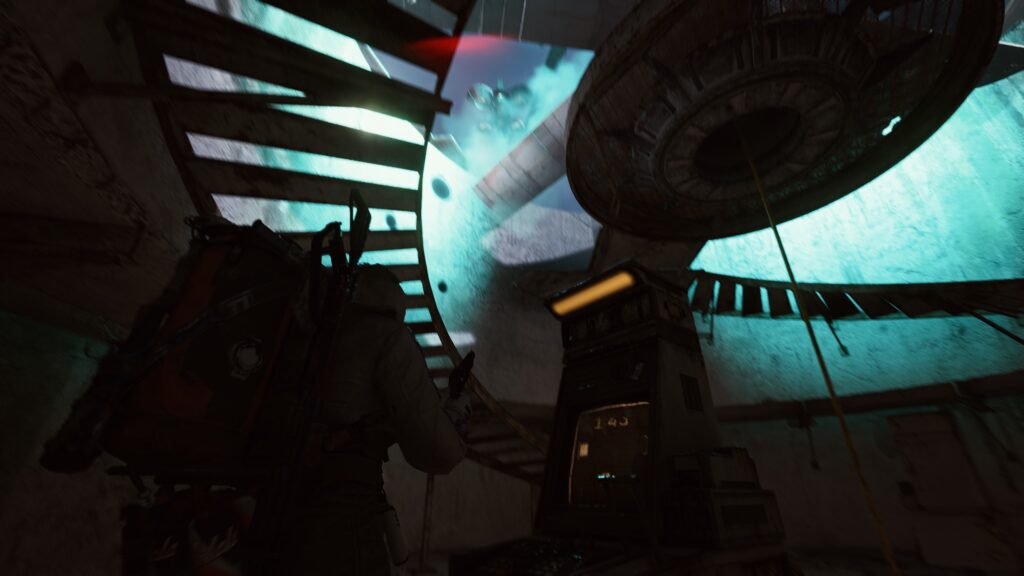
KDM is significantly enhanced by Status Effects (SEs). Deploying a Shock Trap precisely along the melee unit’s pursuit vector forces a momentary paralysis, transforming the kiting scenario into a static firing range and allowing the Raider to deliver a rapid burst of critical fire (KOD) with minimal risk.
Conclusion: Control Through Distance
Kinetic Distance Management is the indispensable discipline for survival against the unflinching melee threat. By refusing to engage on the enemy’s terms and utilizing superior mobility to maintain the optimal threat range, Raiders systematically dismantle the most aggressive ARC units, confirming that control over the battlefield’s geometry is the purest form of victory in Asymmetrical Warfare.