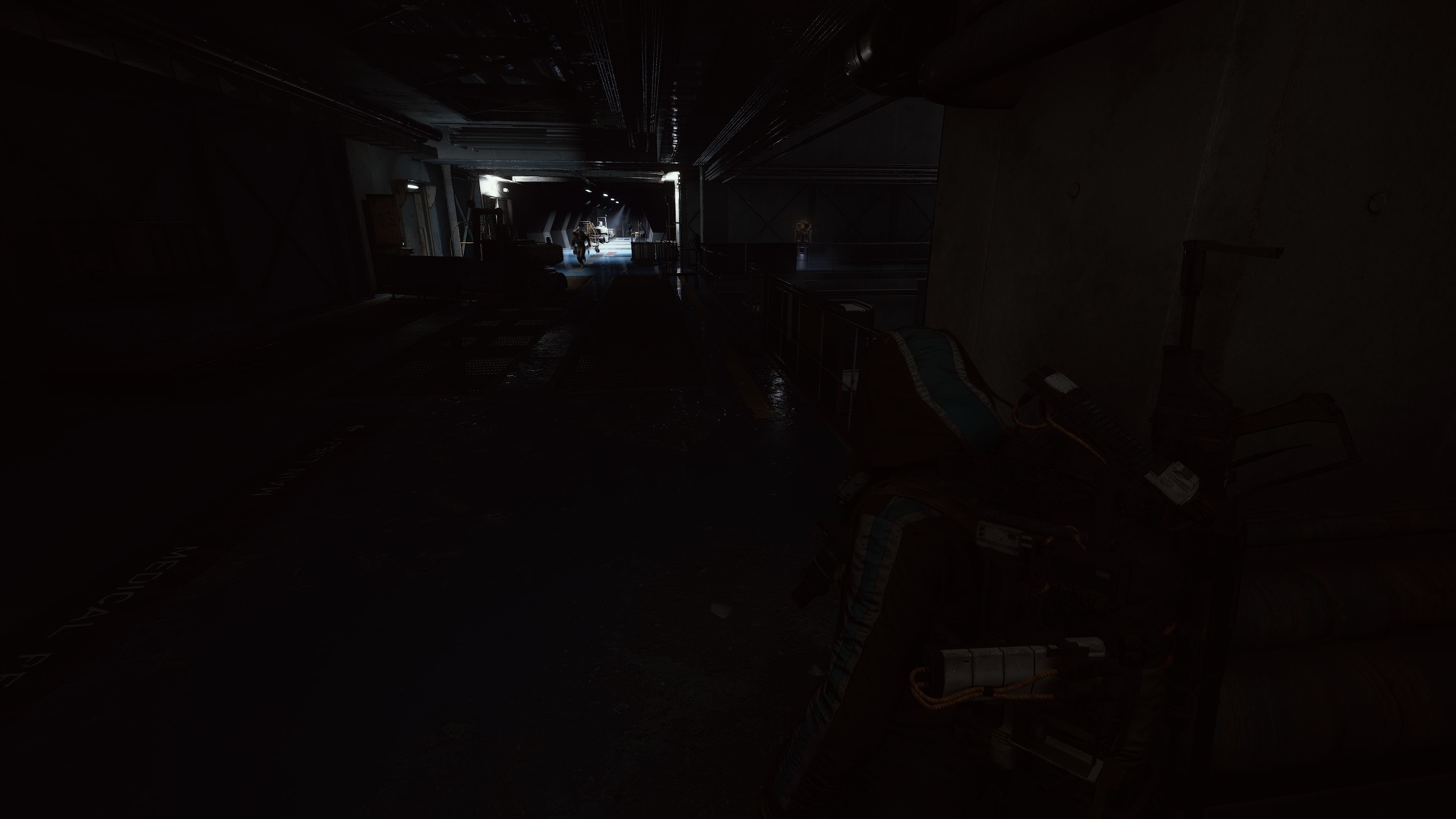
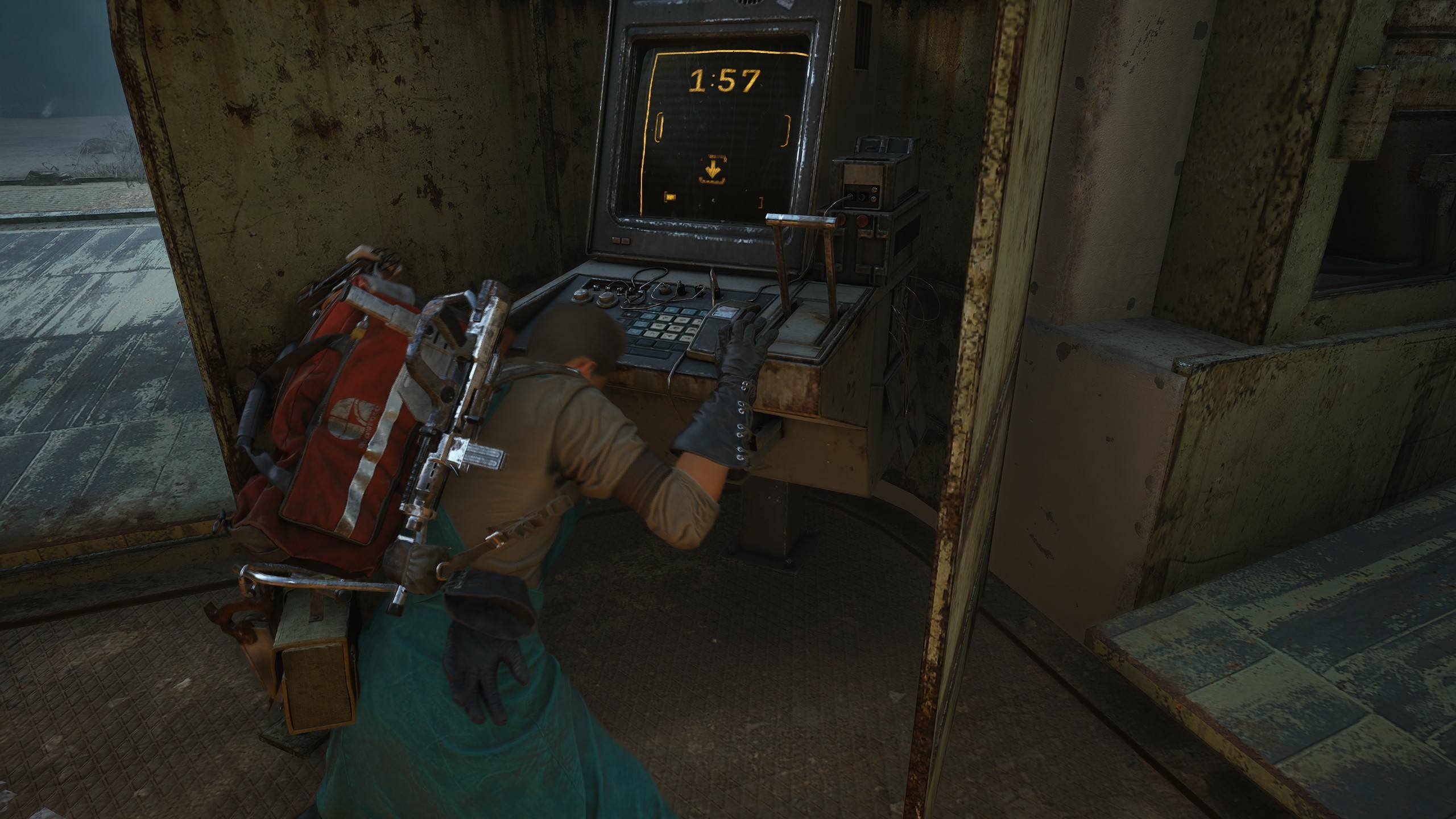
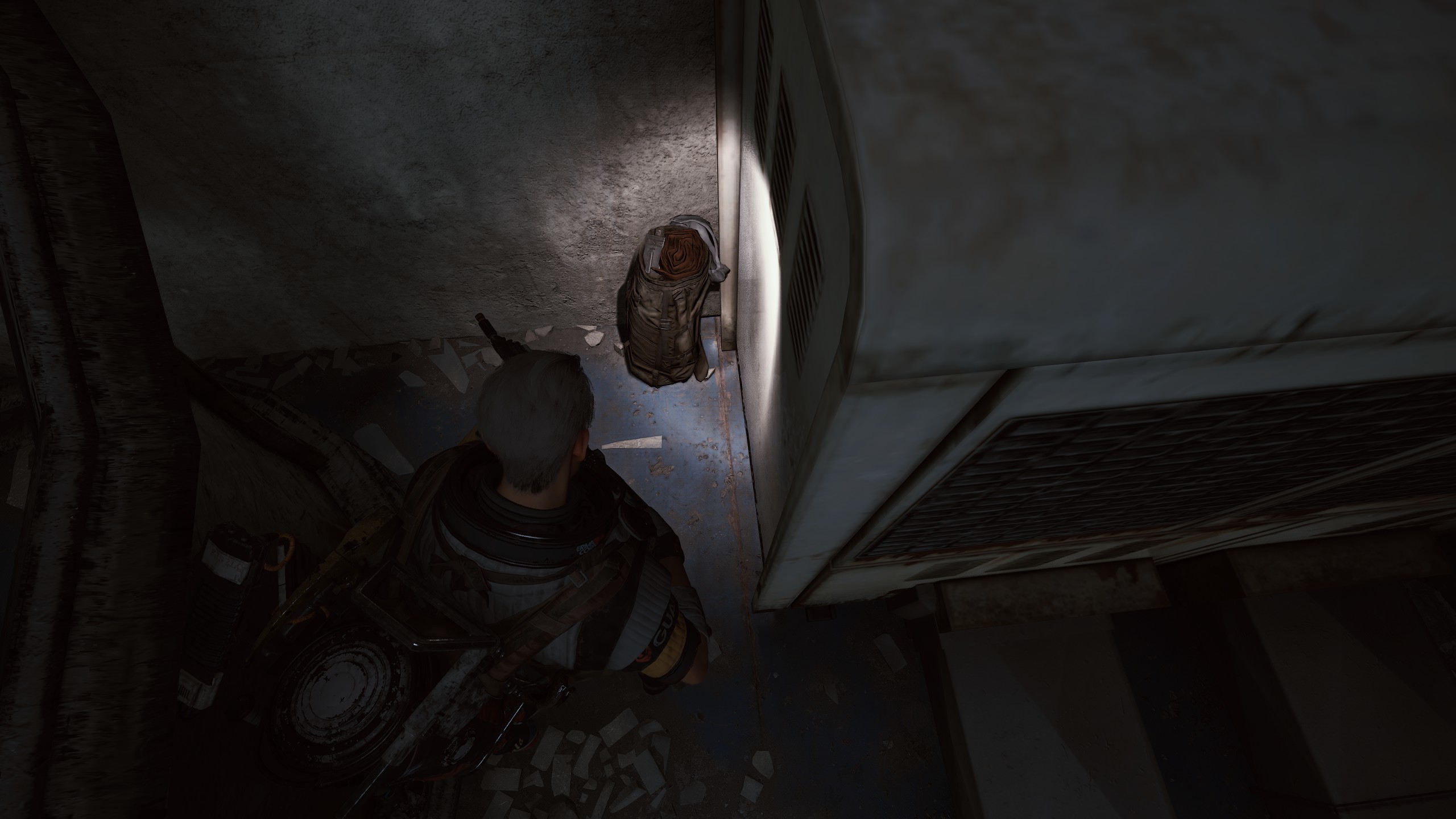
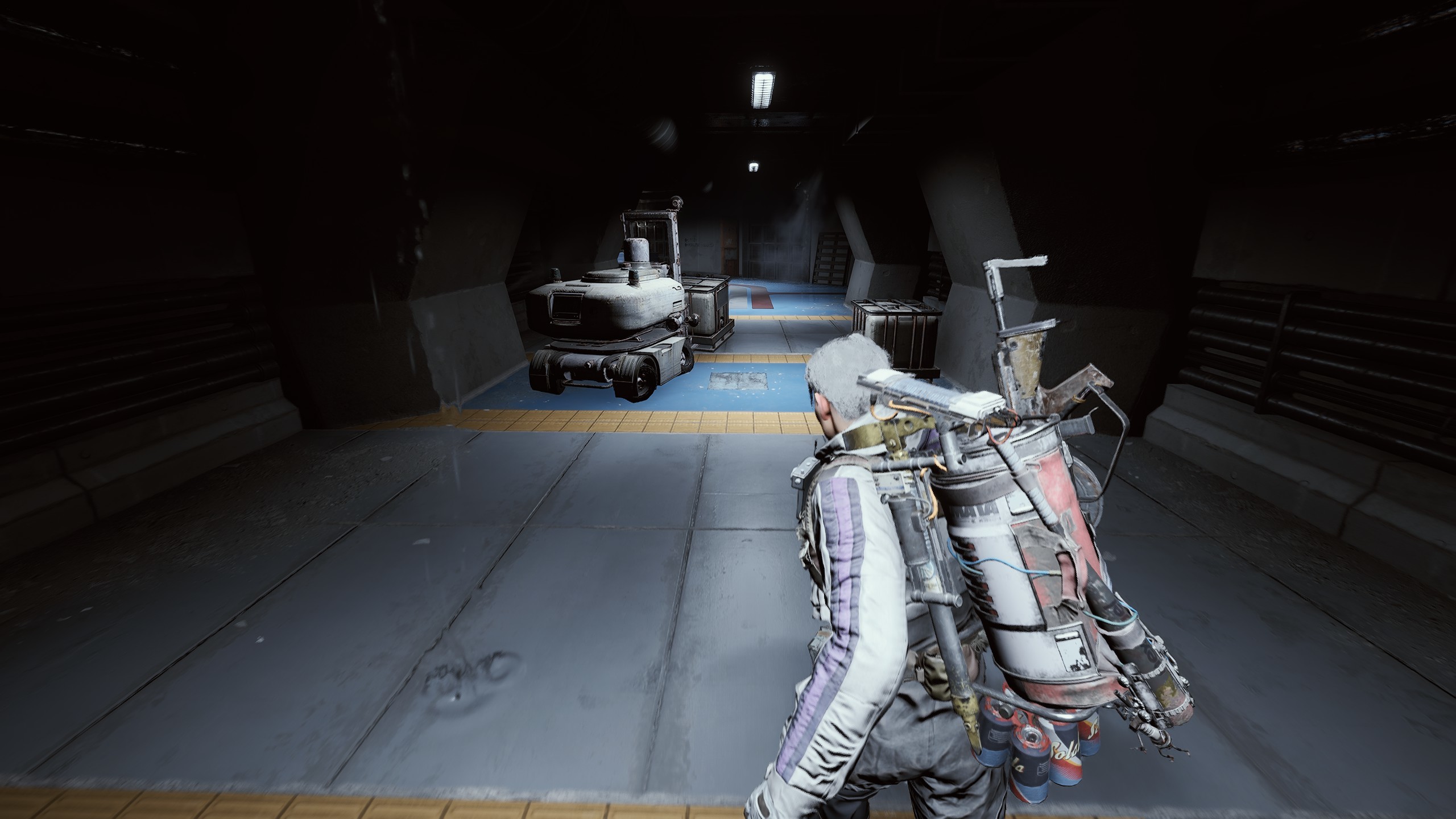
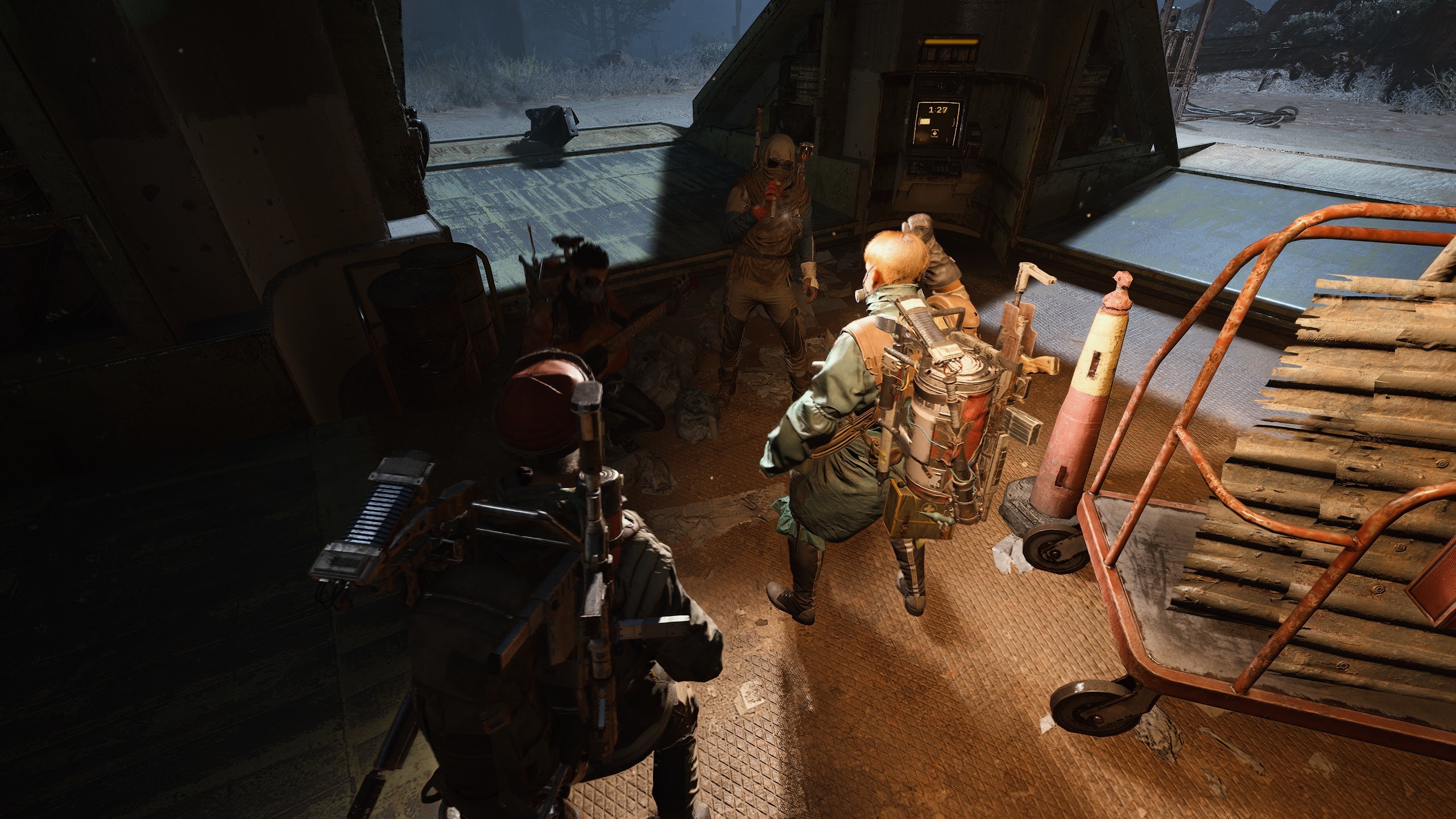
Silence in Arc Raiders is not passive—it is intentional control. In moments where movement, sound, and timing converge, choosing not to act often preserves more options than forcing progress.
Survival improves when players recognize that silence can stabilize pressure, reset awareness, and prevent escalation that action would invite.
Why Noise Accelerates Risk
Sound compounds attention. Footsteps, weapon handling, and environmental interaction pull movement toward a position long after the action ends. Players who continue to act during rising pressure often create the very convergence they are trying to escape.
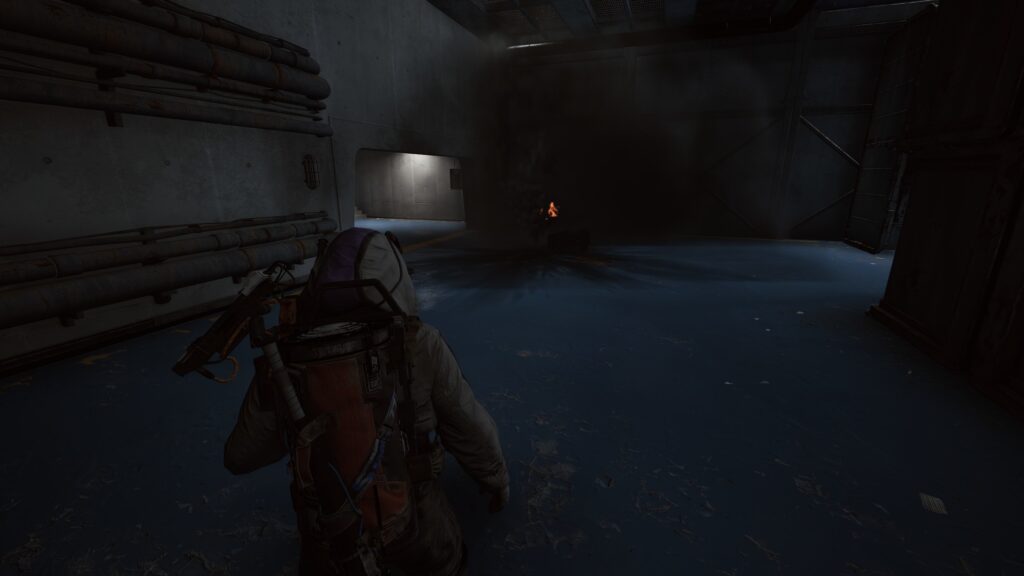
Survivors understand that silence interrupts this chain, allowing threats to pass without fixing position.
Silence as an Information Tool
Remaining still separates sound layers. Distant movement becomes directional, timing clarifies, and density reveals itself without commitment.
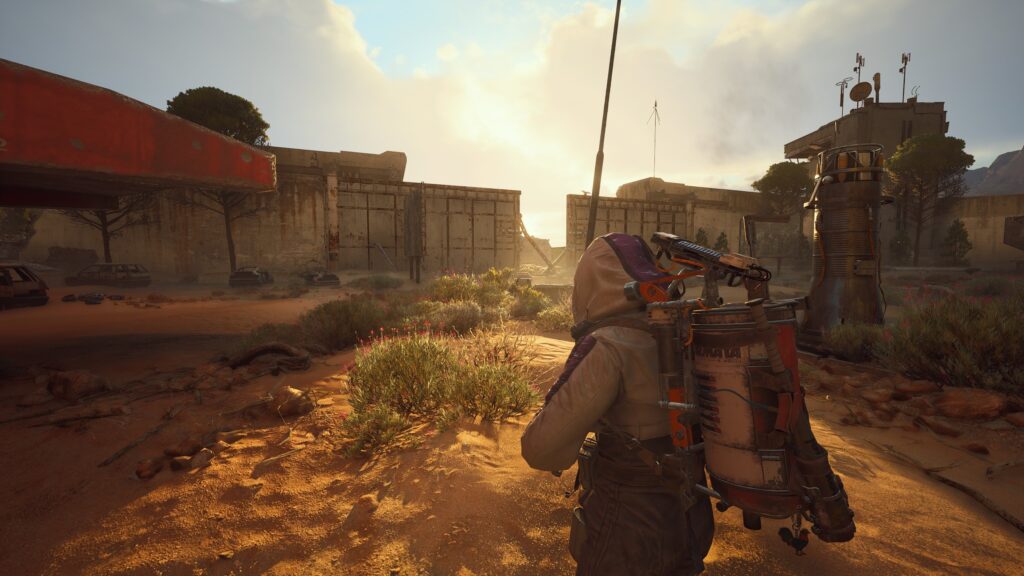
Survivors use silence to read intent rather than provoke it. This pause restores context that rushed movement erases, turning uncertainty into usable information.
Moments Where Silence Outperforms Action
Silence becomes optimal when pressure is forming but not yet fixed. Holding position as patrols shift, waiting for sound to thin near chokepoints, or pausing before extraction often prevents forced decisions. Survivors recognize these moments early and resist the urge to fill them with movement.
Common Mistakes That Break Silence Too Early
Certain impulses repeatedly undermine quiet control.
- Moving to confirm information already available through sound
- Adjusting position repeatedly without new context
- Reloading or looting during active pressure
- Breaking stillness out of discomfort
These actions trade patience for exposure.
Why Silence Preserves Optionality
Silence keeps paths open. Survivors who pause can still disengage, reroute, or wait out escalation.
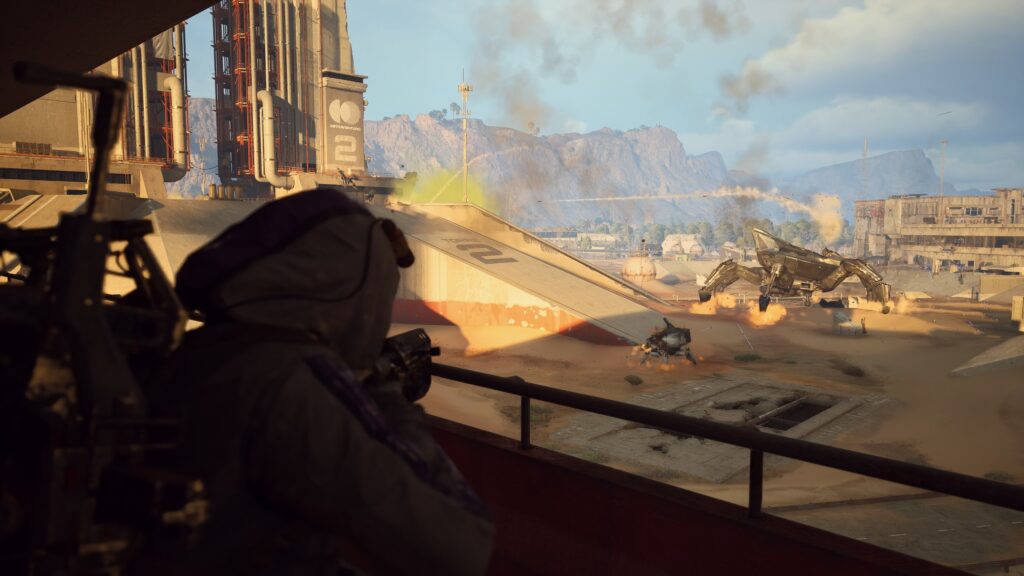
Once sound fixes position, options narrow quickly. Control is maintained by choosing when to re-enter the environment, not by remaining constantly active within it.
Conclusion
Silence becomes the safest strategy during a raid in when it interrupts escalation and restores awareness.
Players who treat stillness as a tool rather than hesitation survive more consistently. Survival improves when action is deliberate and silence is allowed to do its work. Sometimes, not moving is the most decisive move available.