Introduction
Escape from Tarkov offers a variety of maps, each with its own unique layout, risks, and rewards. Two of the most popular maps are Interchange and Customs, which are both central to player progression in the game.
However, these maps offer very different experiences and require different strategies. In this article, we’ll compare Interchange and Customs, highlighting the key differences and helping you decide which map suits your playstyle.
Interchange vs Customs: Key Differences
| Aspect | Interchange | Customs |
|---|---|---|
| Map Size | Larger, with expansive open areas and the massive shopping mall at its center. | Smaller, with tighter spaces and more urban environments. |
| Loot Opportunities | High loot density, particularly in shops and the mall area, but often high player activity. | Moderate loot opportunities spread across the map, with a focus on industrial areas and checkpoints. |
| Combat Style | More open firefights, especially in the shopping mall and surrounding areas. Long-range engagements are common. | Tighter, more contained areas that favor close-quarters combat and tactical gameplay. |
| Extraction Points | Multiple extraction points, but some are located in high-risk areas with intense player traffic. | Fewer extraction points, often requiring players to navigate to specific zones under enemy threat. |
| Difficulty | High difficulty due to large open spaces, high loot value, and the risk of encountering other players. | Moderate difficulty, with an emphasis on tactical play and navigating tight urban spaces. |
Environmental Hazards and AI Behavior
Both Interchange and Customs feature unique environmental challenges and AI behavior that affect how players approach each raid. Interchange’s wide-open spaces and indoor mall setting create opportunities for ambushes but also expose players to long-range sniper fire. AI Scavs tend to patrol heavily trafficked loot areas like the mall’s central sections, increasing the risk of encounters.
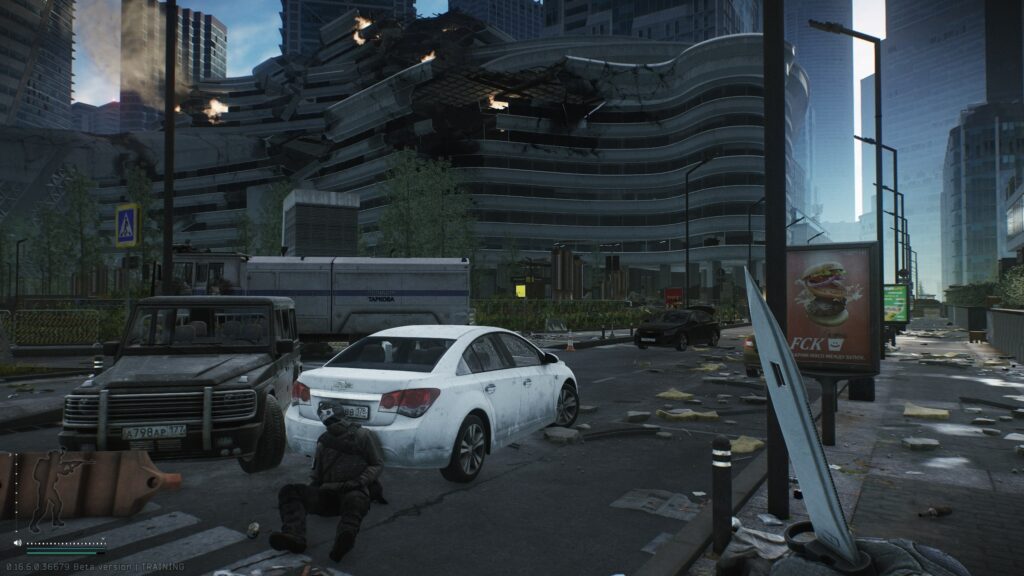
On Customs, the industrial and urban landscape often results in close-range firefights. The AI Scavs here are more aggressive around key choke points such as the Dorms and construction areas, requiring players to stay alert and use cover effectively. Weather conditions like fog or rain, which sometimes appear on Customs, can further impact visibility and tactical options.
Recommended Gear and Loadouts for Each Map
Choosing the right gear can greatly improve your survival chances on either map. For Interchange, players often favor weapons suited for medium to long-range combat, such as assault rifles with scopes, or designated marksman rifles. Armor that offers good mobility and protection is recommended, as you’ll need to move quickly between open spaces and indoor areas. Additionally, carrying silencers can help avoid unwanted attention in the crowded mall environment.
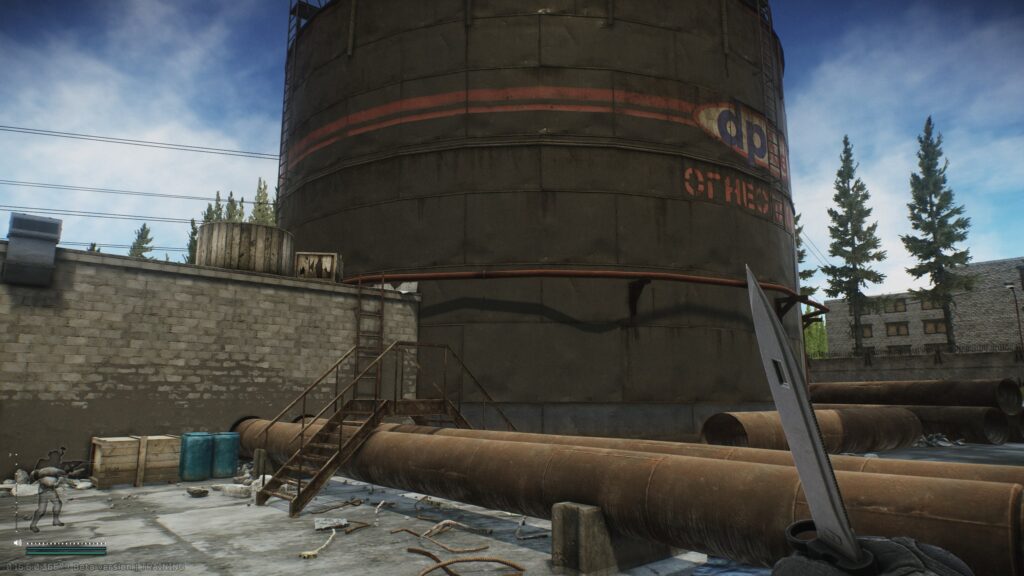
On Customs, close-quarters combat is more frequent. Compact weapons like submachine guns or shotguns work well, alongside tactical helmets and armor that allow for good movement in tight spaces. Flashbangs and smoke grenades can be especially useful to clear rooms or create distractions in narrow corridors.
Which Map is Better for You?
Choosing between Interchange and Customs comes down to your playstyle and objectives for the raid. If you prefer a map with more loot opportunities and longer-range combat, Interchange is your best bet.

However, if you enjoy tactical, close-quarters encounters with fewer open spaces, Customs will likely suit you better. Both maps offer unique challenges and rewards, so mastering both will increase your chances of success in Tarkov.
Conclusion
Interchange and Customs are two of the most iconic maps in Escape from Tarkov, each offering a unique experience and different strategic challenges. Whether you prefer open firefights in a large shopping mall or tactical maneuvers in an industrial zone, both maps have their advantages.
Understanding the differences between them will help you approach each raid more effectively, increasing your chances of survival and success. No matter your choice, both maps will provide you with exciting gameplay and the opportunity to test your skills in Tarkov.
Summary: Key Points to Consider
- Interchange offers large open spaces and high loot density but comes with greater risk due to player activity.
- Customs provides tighter, more tactical environments that favor close-quarters combat.
- Environmental factors and AI behavior differ, affecting how you should move and engage on each map.
- Gear choice should match the map’s combat style to improve your chances of survival.
- Mastering both maps will help you adapt to different raid scenarios and increase your overall success.