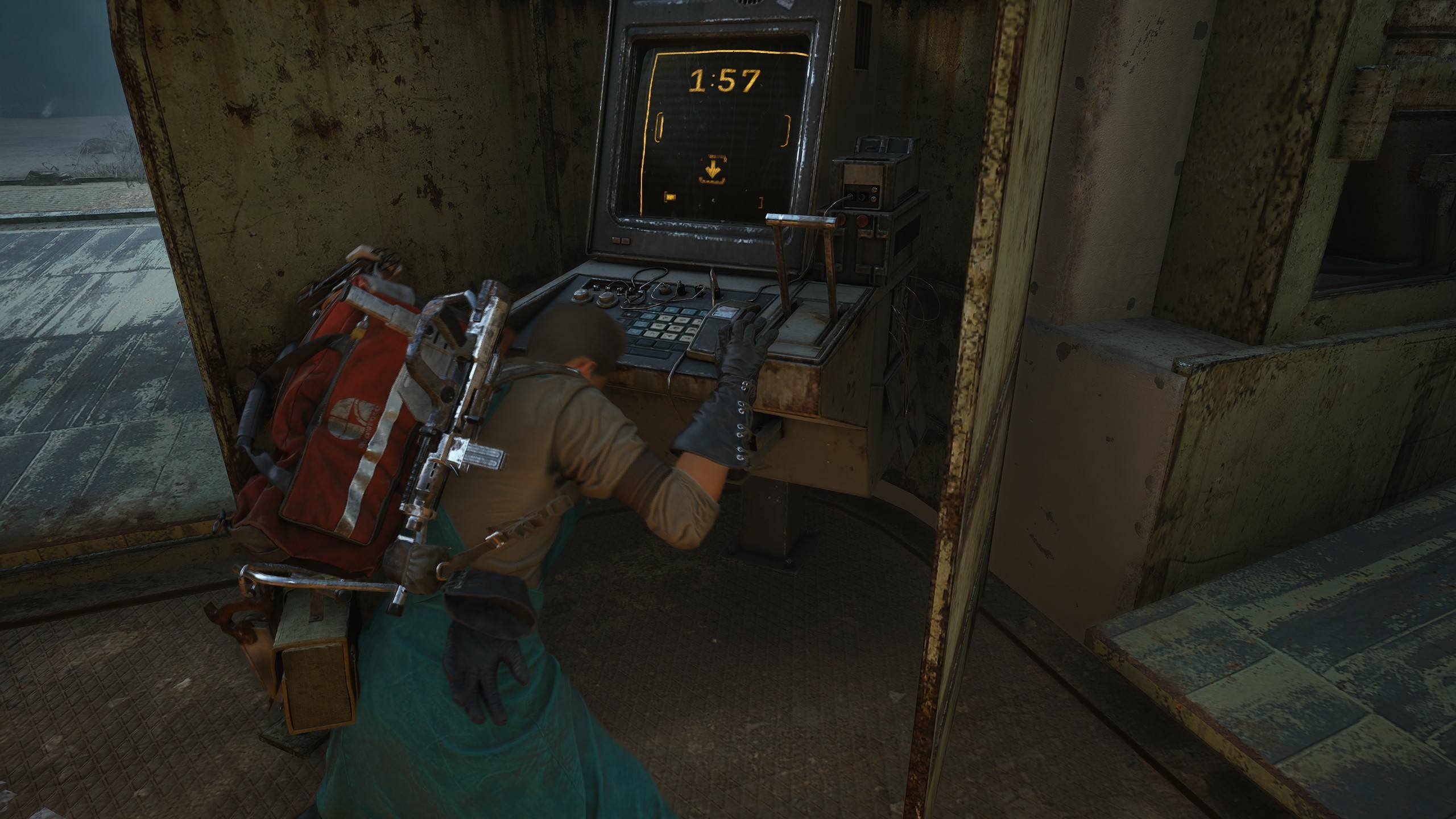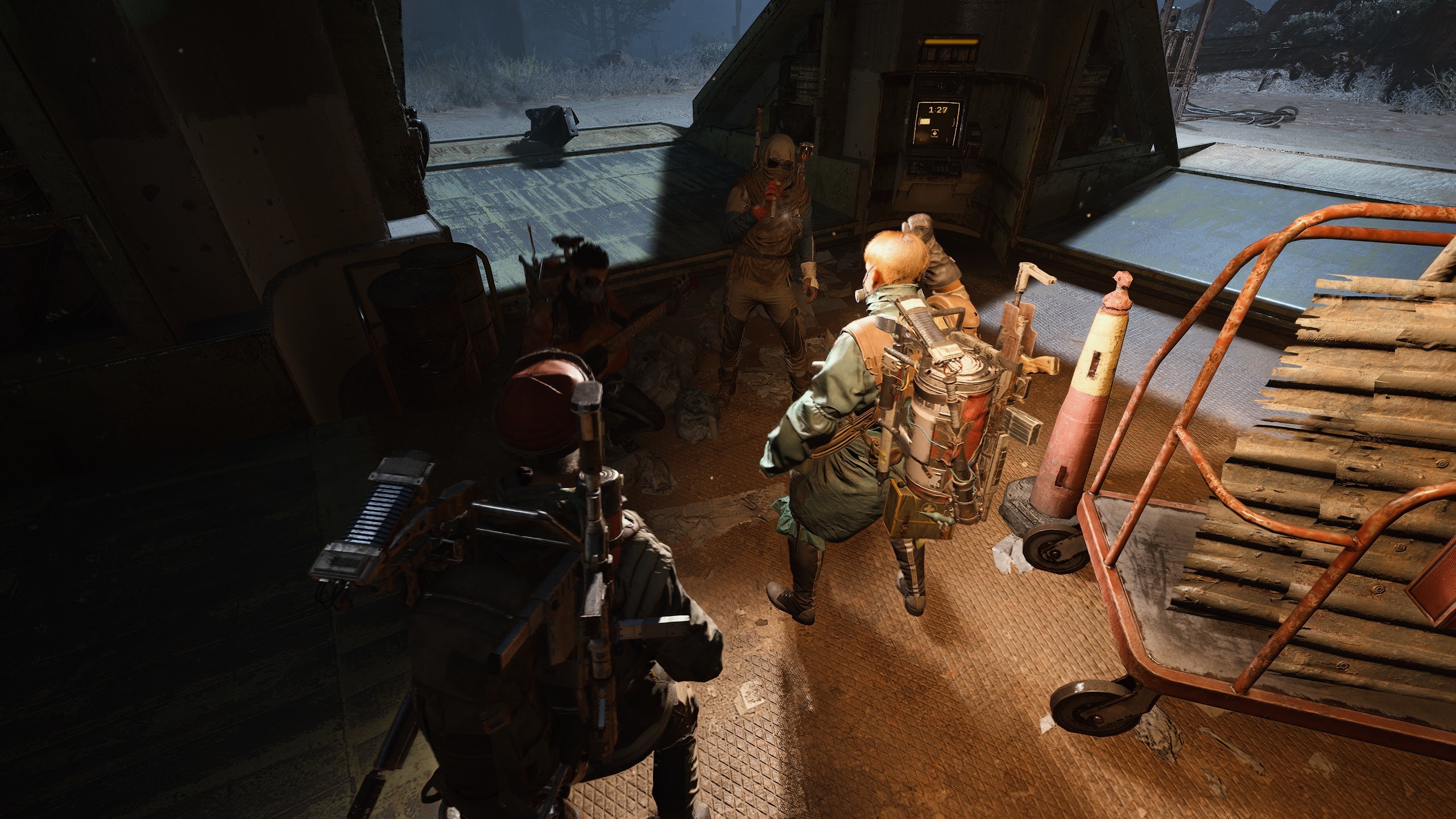

Many Arc Raiders runs fail not through gradual erosion, but through one bad engagement that collapses everything built before it.
This engagement often feels justified in the moment—manageable, necessary, or avoidable later. Survival improves when players understand how a single commitment can invalidate dozens of correct decisions made earlier.
Why the Engagement Feels Reasonable
The run feels stable. Resources are intact, movement has been clean, and pressure feels controlled.
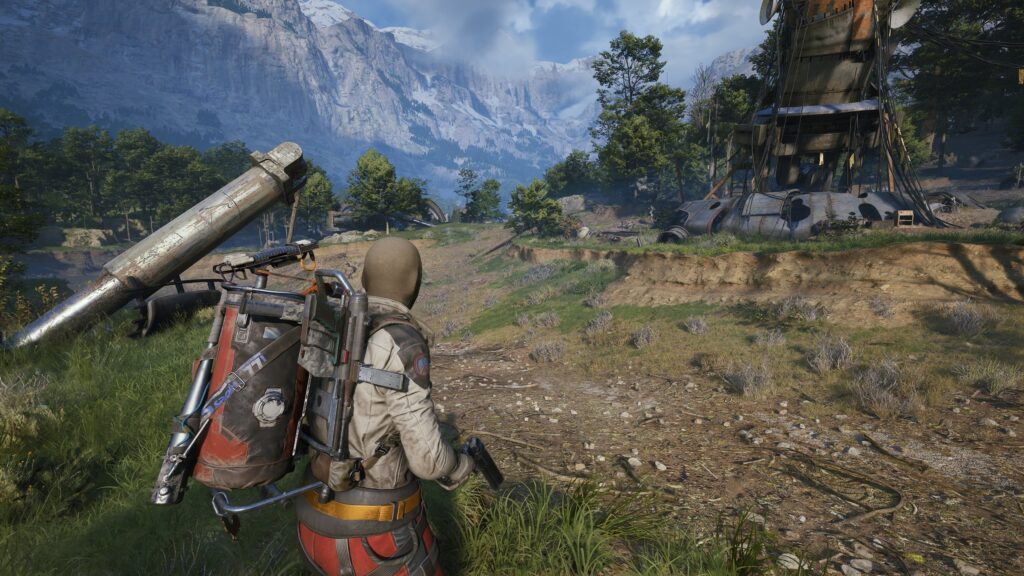
This stability creates confidence that absorbs warning signs. Players believe they can handle one more interaction. Survivors recognize that stability lowers vigilance, making poor engagements more likely precisely when things are going well.
How One Fight Changes the Entire Environment
A single engagement alters density, attention, and timing. Sound spreads, patrols shift, and routes narrow. Even a clean fight leaves residue that affects every decision afterward. Survivors understand that combat reshapes the environment long after it ends. The cost of engagement is rarely confined to the fight itself.
Commitment Without Margin
Bad engagements often begin without exit planning. Players enter spaces where disengagement requires winning decisively.
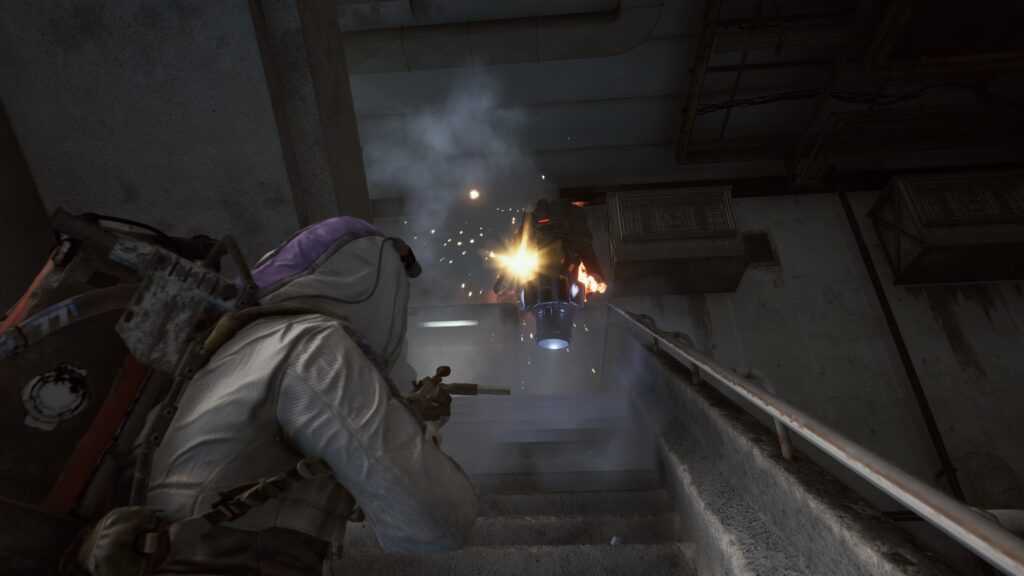
When conditions shift mid-fight, recovery options vanish. Survivors avoid engagements unless margins are clear—space to retreat, routes to rotate, and time to disengage before escalation locks in.
Patterns That Turn One Fight Into Collapse
Certain choices repeatedly convert minor engagements into total failure.
- Fighting in areas with converging routes
- Extending contact to secure a “clean” outcome
- Reloading and looting before repositioning
- Assuming success resets pressure
These patterns remove the ability to recover.
Why Restraint Protects Perfect Runs
Perfect runs are preserved by refusal more than execution. Survivors leave fights unfought, even when confidence is high.

They recognize that not every threat requires resolution. Restraint keeps the environment predictable and margins intact, allowing earlier discipline to carry through to extraction.
Conclusion
One bad engagement can collapse an otherwise perfect run in by reshaping the environment beyond recovery. Players who protect margins and avoid unnecessary commitment preserve the value of every prior decision. Survival improves when restraint outweighs confidence.
Often, the most important fight is the one you choose not to take.