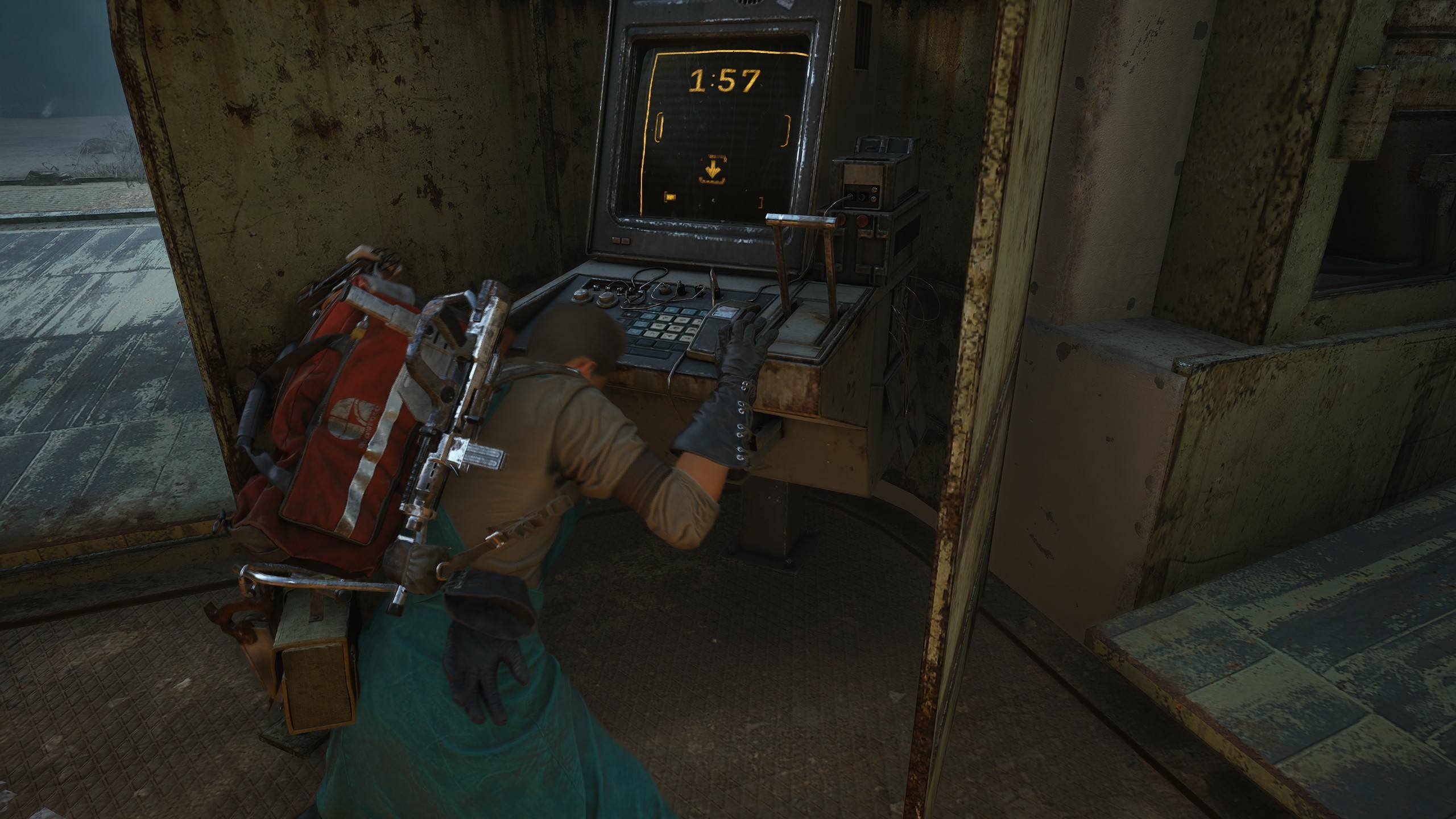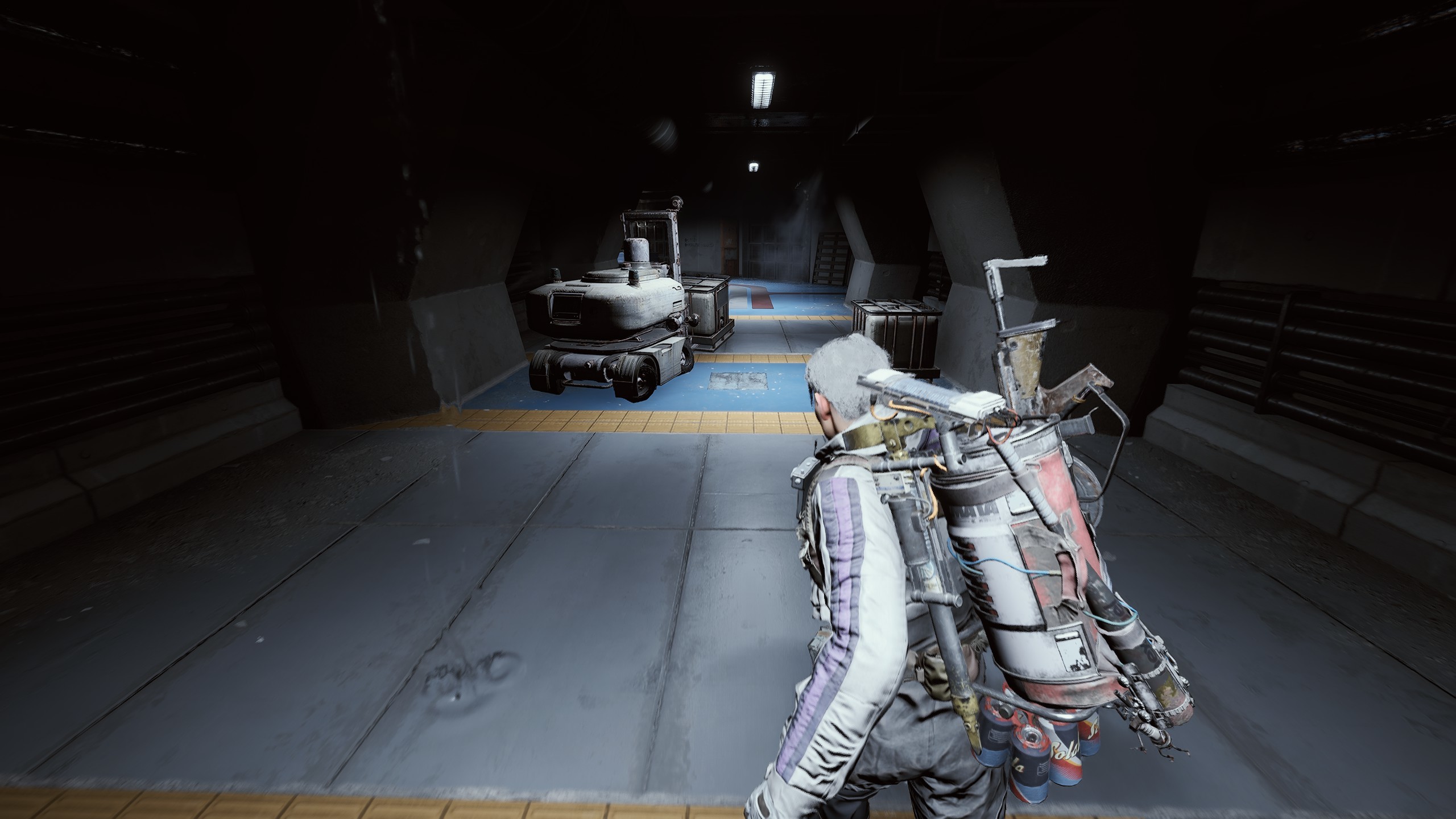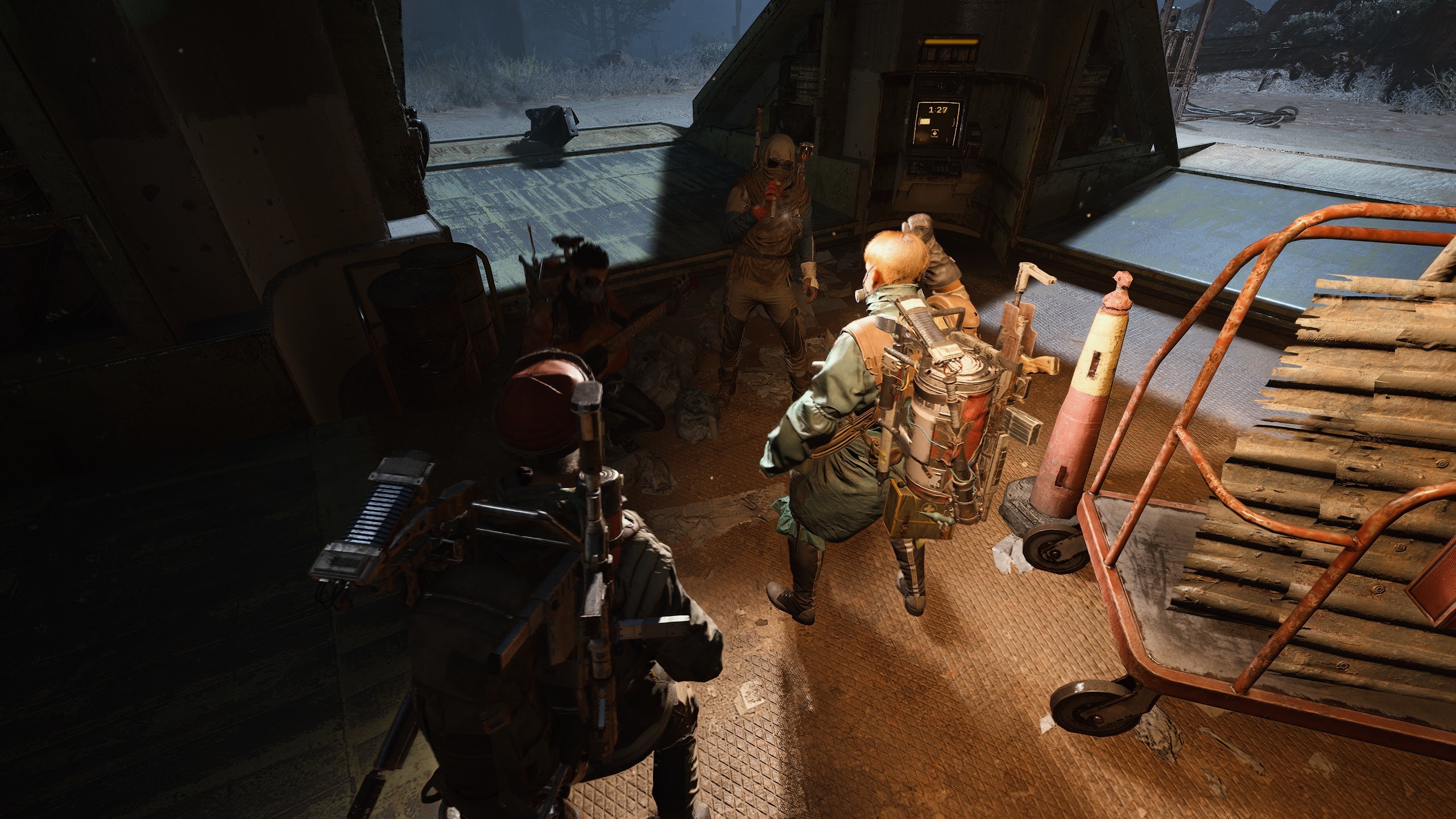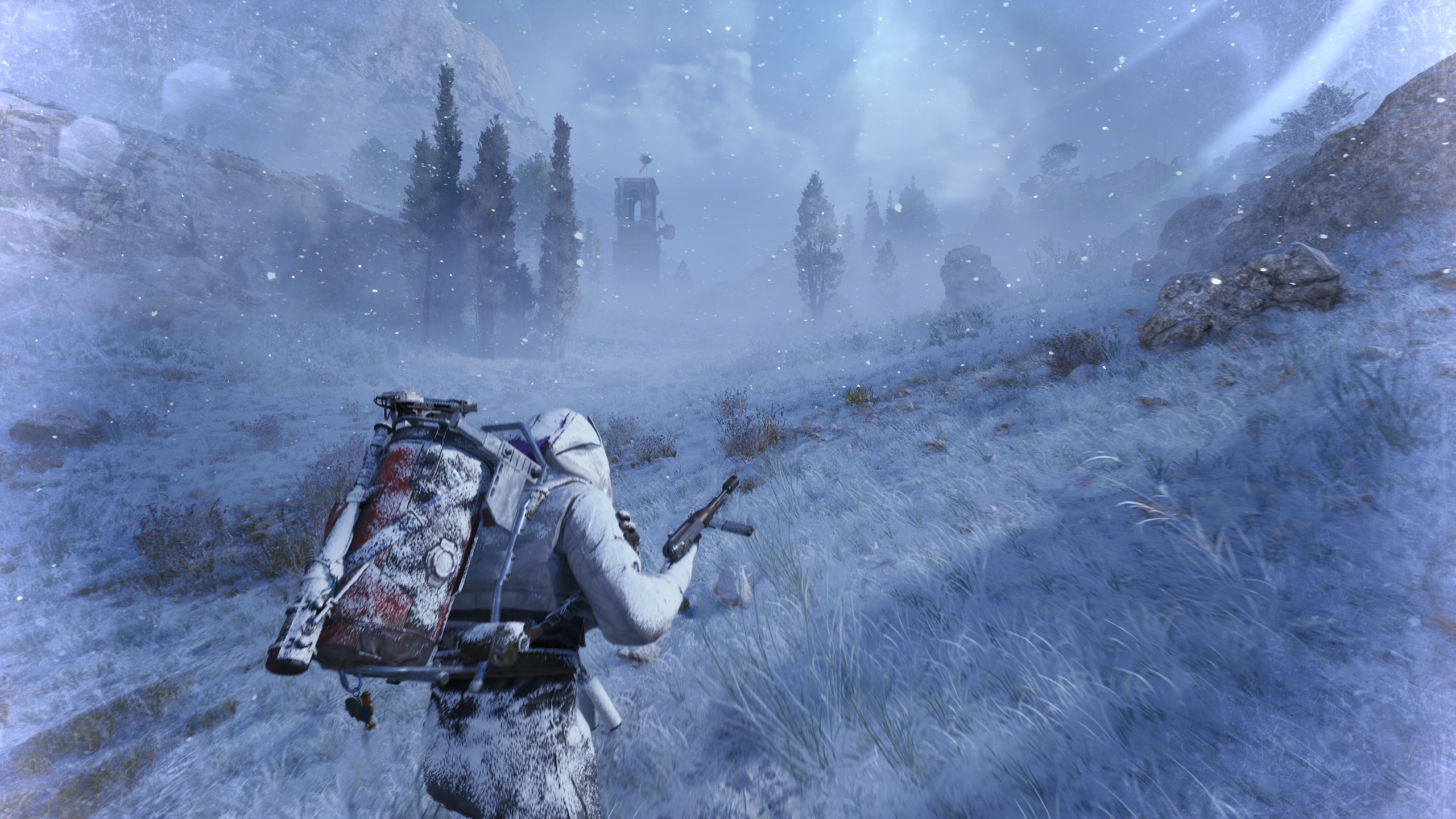

Improvised routes in Arc Raiders often decide whether squads extract or collapse. When planned paths fail under pressure, the ability to adapt movement on the fly preserves survival. These routes are rarely optimal or clean, but they restore agency when structure breaks.
Survival improves when squads prioritize adaptability over adherence to plan.
Why Planned Routes Break Down
Routes fail when density shifts, patrols overlap, or sound draws attention unexpectedly.
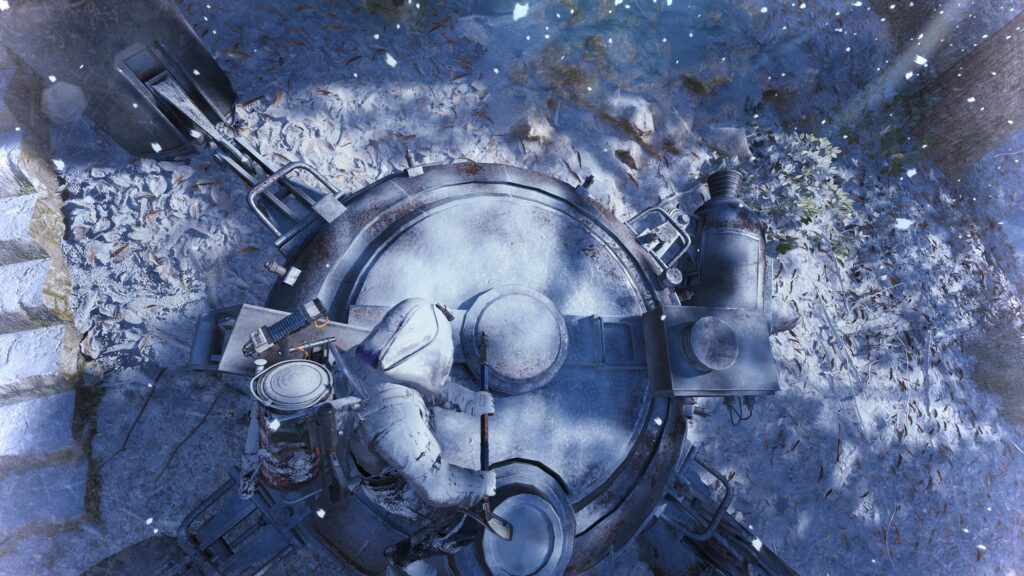
What was safe minutes earlier can become a funnel without warning. Squads that cling to original plans hesitate too long, compressing options. Survivors accept route failure early and pivot before pressure locks them in.
Improvisation as Collective Discipline
Effective improvisation is coordinated restraint. Squads slow down together, reassess spacing, and choose movement that preserves exits rather than efficiency. Survivors communicate simply and move deliberately, preventing fragmentation. Improvised routes succeed when everyone commits to the same reduced objective: getting out intact.
Reading Space for Temporary Safety
Improvised paths favor imperfect safety over optimal travel. Partial cover, uneven terrain, or longer distances can break line of sight and buy time.
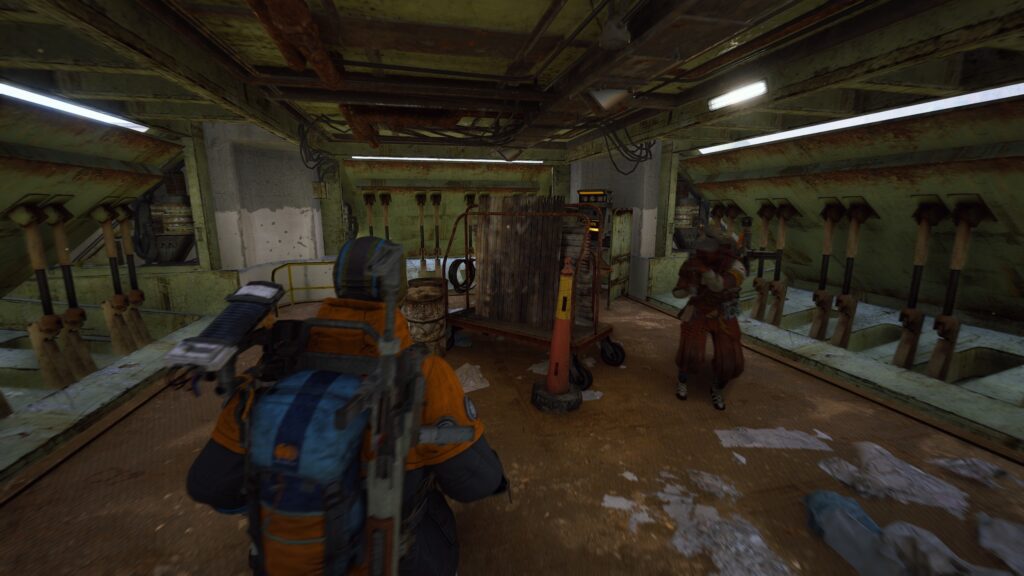
Survivors read space for momentary protection rather than long-term comfort. These routes work because they disrupt pursuit and reset timing.
Errors That Turn Improvisation Into Collapse
Certain behaviors undermine adaptive routing.
- Splitting to “save time” during reroutes
- Arguing over alternatives while pressure rises
- Choosing speed over spacing
- Re-entering known danger for familiarity
These choices replace adaptation with fragmentation.
Why Imperfect Paths Preserve Survival
Imperfect routes reduce predictability. Survivors accept inefficiency to avoid convergence and regain control.
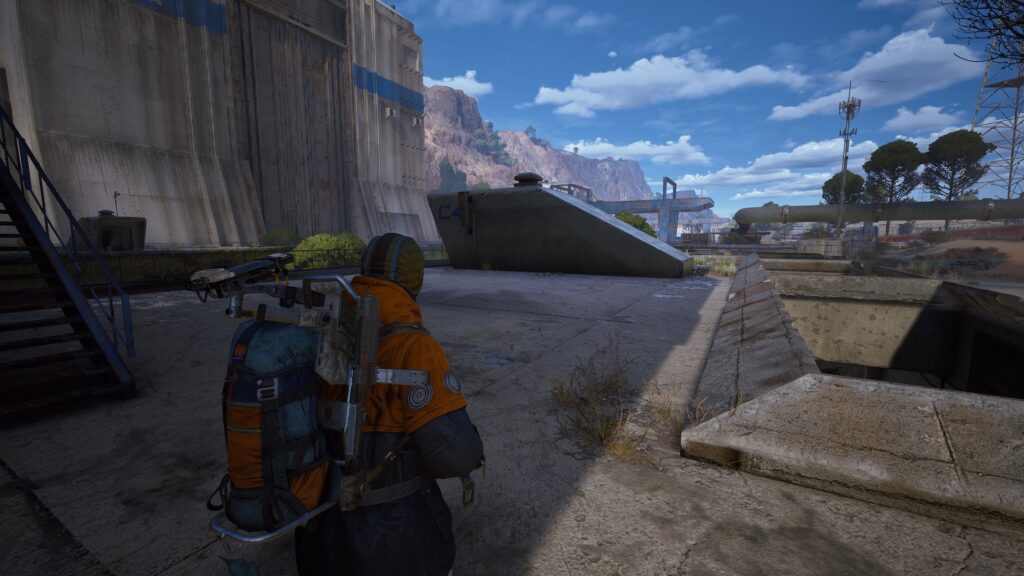
By choosing paths that break pursuit rather than shorten distance, squads create breathing room where none existed. Control returns when movement disrupts pressure instead of racing through it.
Conclusion
Improvised routes save squads from total wipeouts in by restoring agency when plans fail.
Players who adapt collectively, prioritize spacing, and accept imperfect paths extract more consistently. Survival improves when flexibility outweighs familiarity. When the map turns hostile, improvisation becomes the shortest way out.