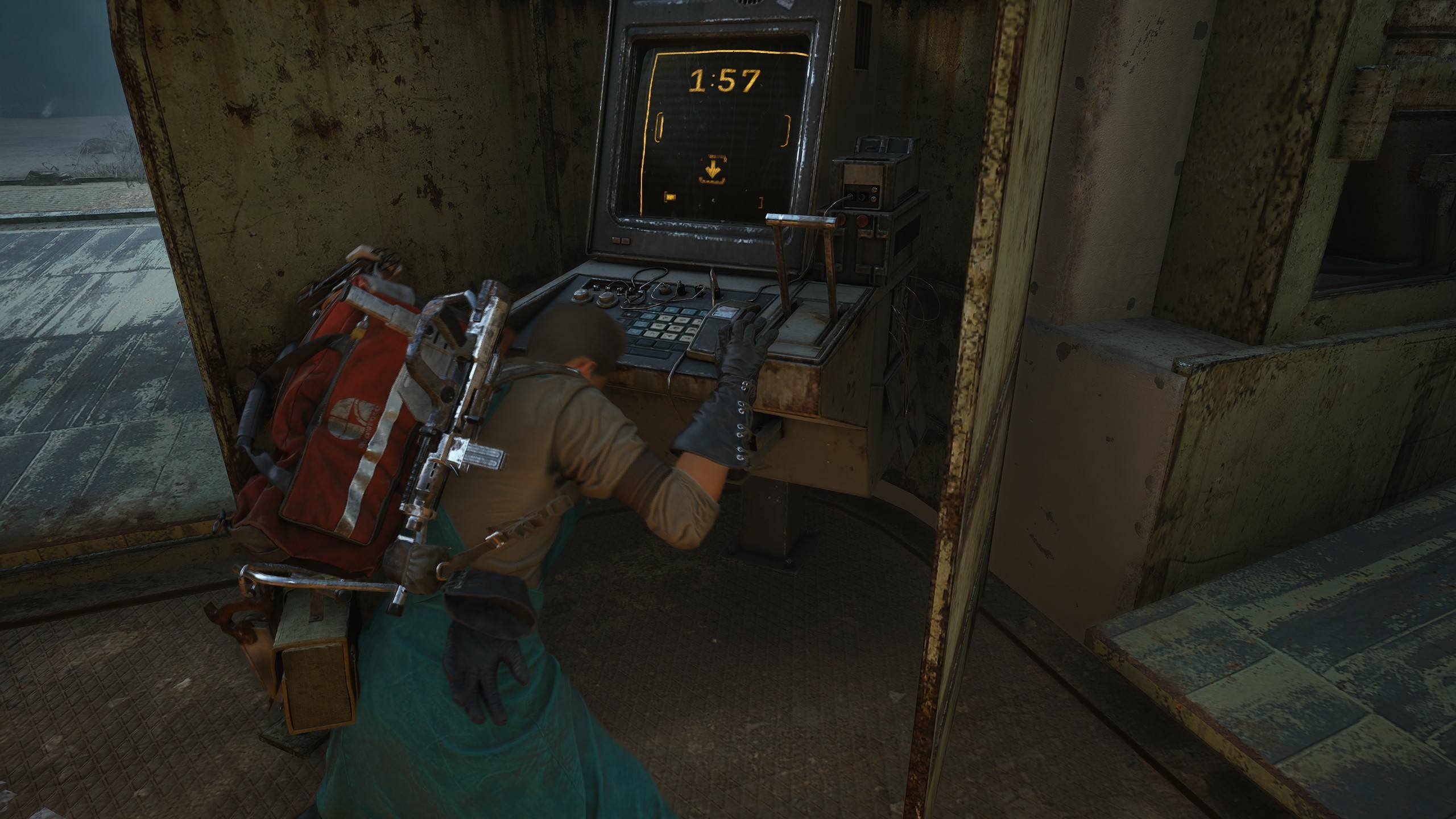

Most Arc Raiders sessions do not end because players lack skill. They end because confidence quietly turns into greed.
The shift is subtle—staying a little longer, pushing one more area, taking a fight that feels manageable. Survival improves when players recognize the moment confidence stops serving control and starts demanding justification.
Why Confidence Feels Indistinguishable From Control
Confidence grows after clean movement, early success, or avoided danger. Players feel aligned with the environment and assume this alignment will persist.

Greed enters when confidence stops being conditional. Survivors understand that confidence reflects past decisions, not future safety. Control only exists while conditions remain favorable.
Greed Framed as Optimization
Greed rarely presents itself as recklessness. It appears as optimization—finishing a route, clearing a zone, maximizing value. Players convince themselves they are being efficient rather than risky. Survivors separate efficiency from necessity, recognizing that unnecessary optimization often erodes the margins that made success possible.
The Moment Confidence Stops Reassessing
The defining shift occurs when reassessment stops. Players continue acting on earlier reads despite changing density, noise, or resource state.
Survivors interrupt this momentum deliberately, forcing new evaluation before committing further. Confidence remains healthy only when paired with continuous reassessment.
Common Confidence-to-Greed Transitions
Certain decisions repeatedly end otherwise stable sessions.
- Delaying extraction after primary goals are complete
- Engaging threats to justify staying longer
- Rerouting for marginal gain
- Ignoring fatigue late in the run
These choices trade stability for validation.
Why Discipline Preserves Confidence
Discipline keeps confidence grounded. Survivors leave while conditions still favor them, reinforcing trust in their judgment.
This restraint prevents confidence from collapsing into frustration. Over time, confidence becomes quieter but more reliable, shaped by consistency rather than peak moments.
Conclusion
Confidence versus greed decisions end most sessions in when reassessment gives way to justification.
Players who recognize this shift preserve control and extract consistently. Survival improves when confidence remains conditional and greed is treated as a warning sign. Knowing when to stop often matters more than knowing how to continue.