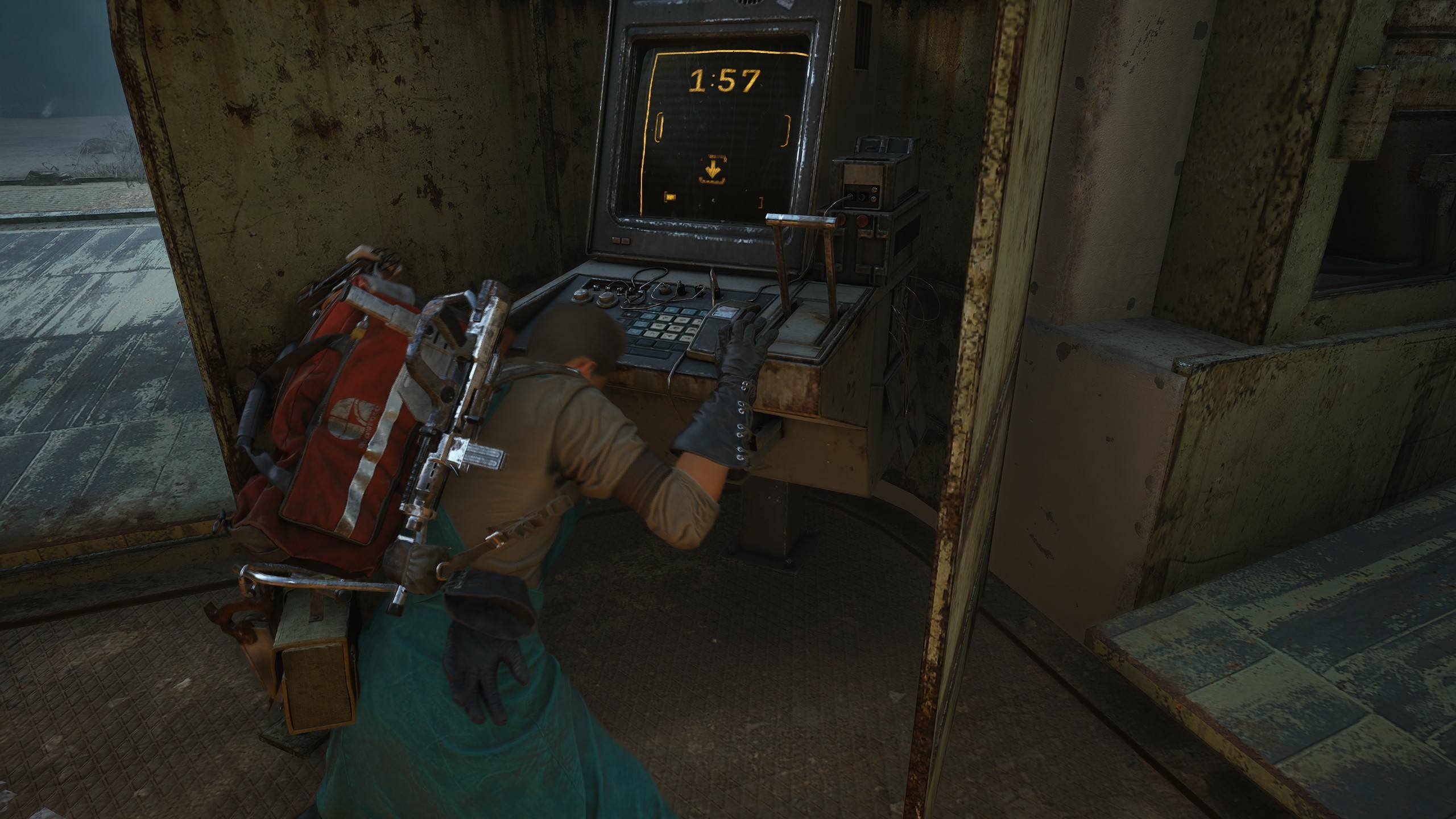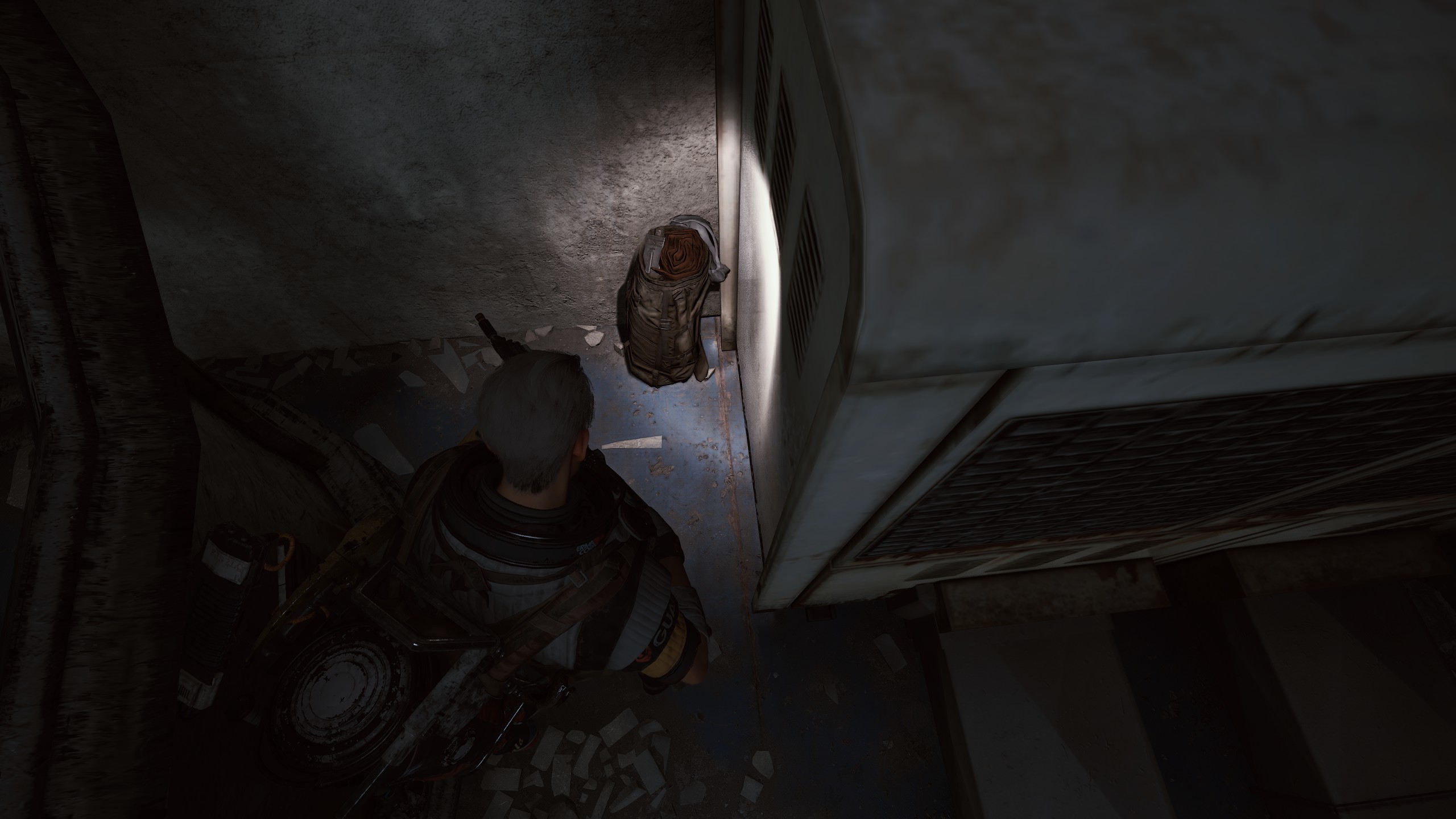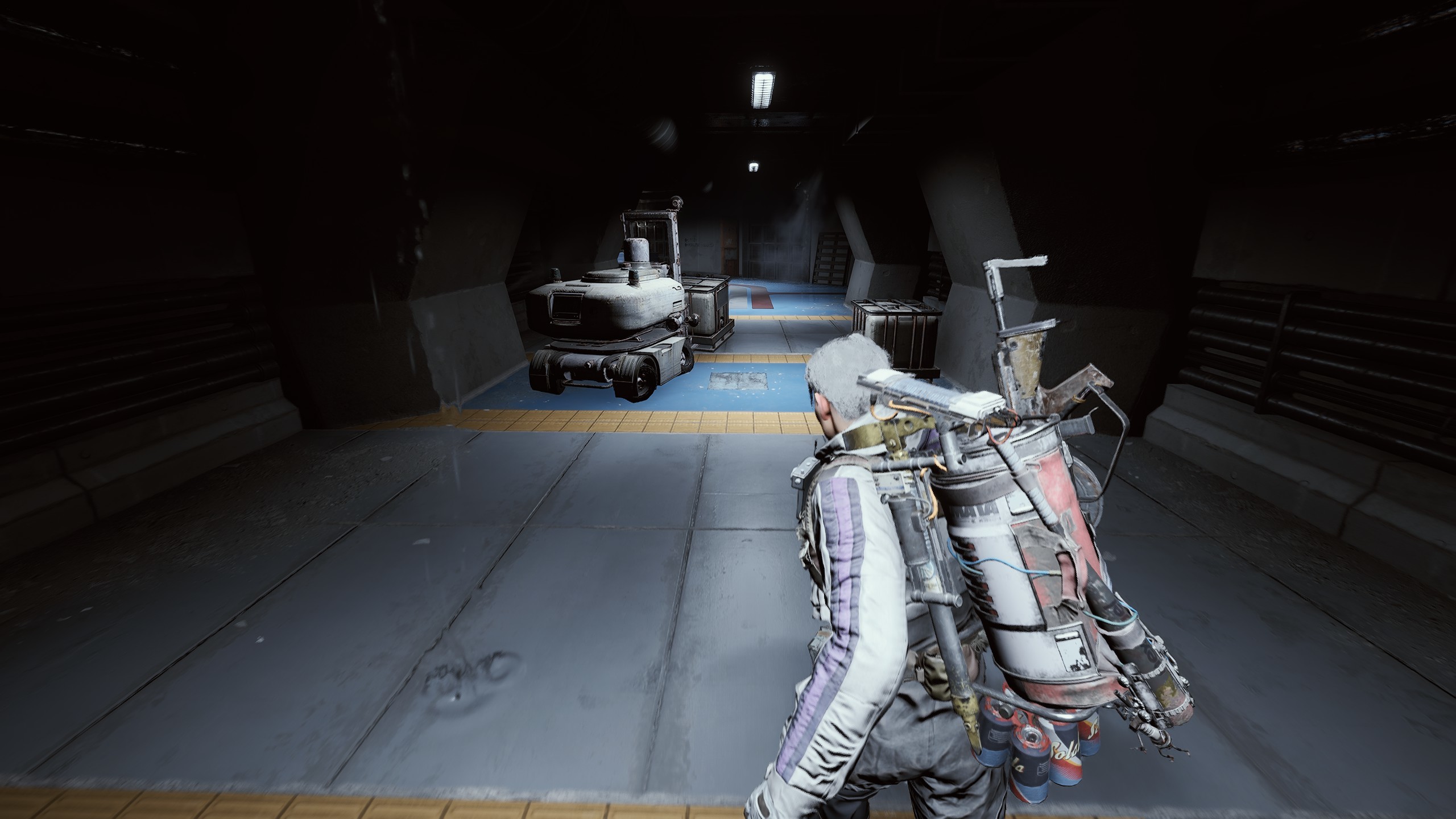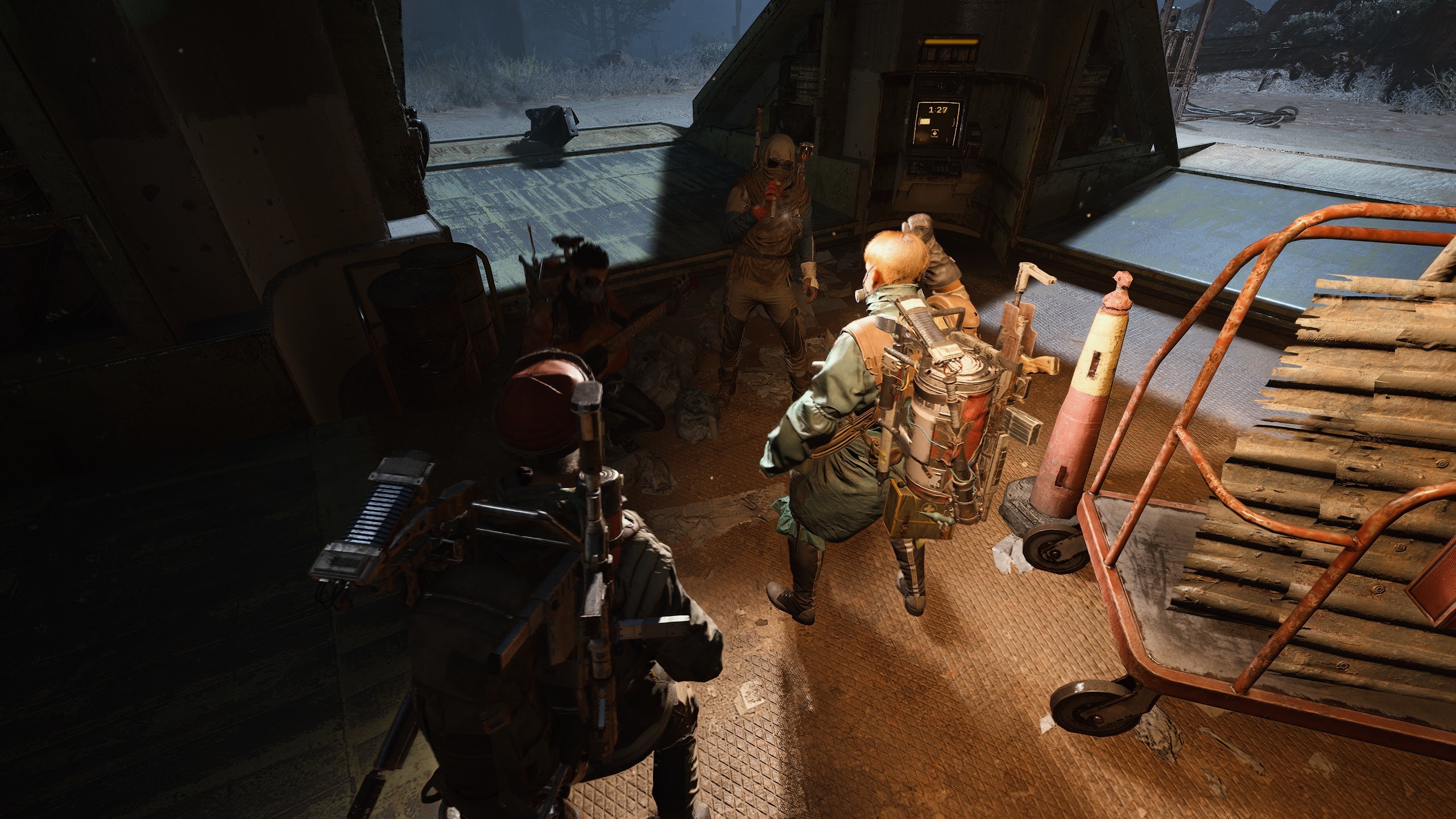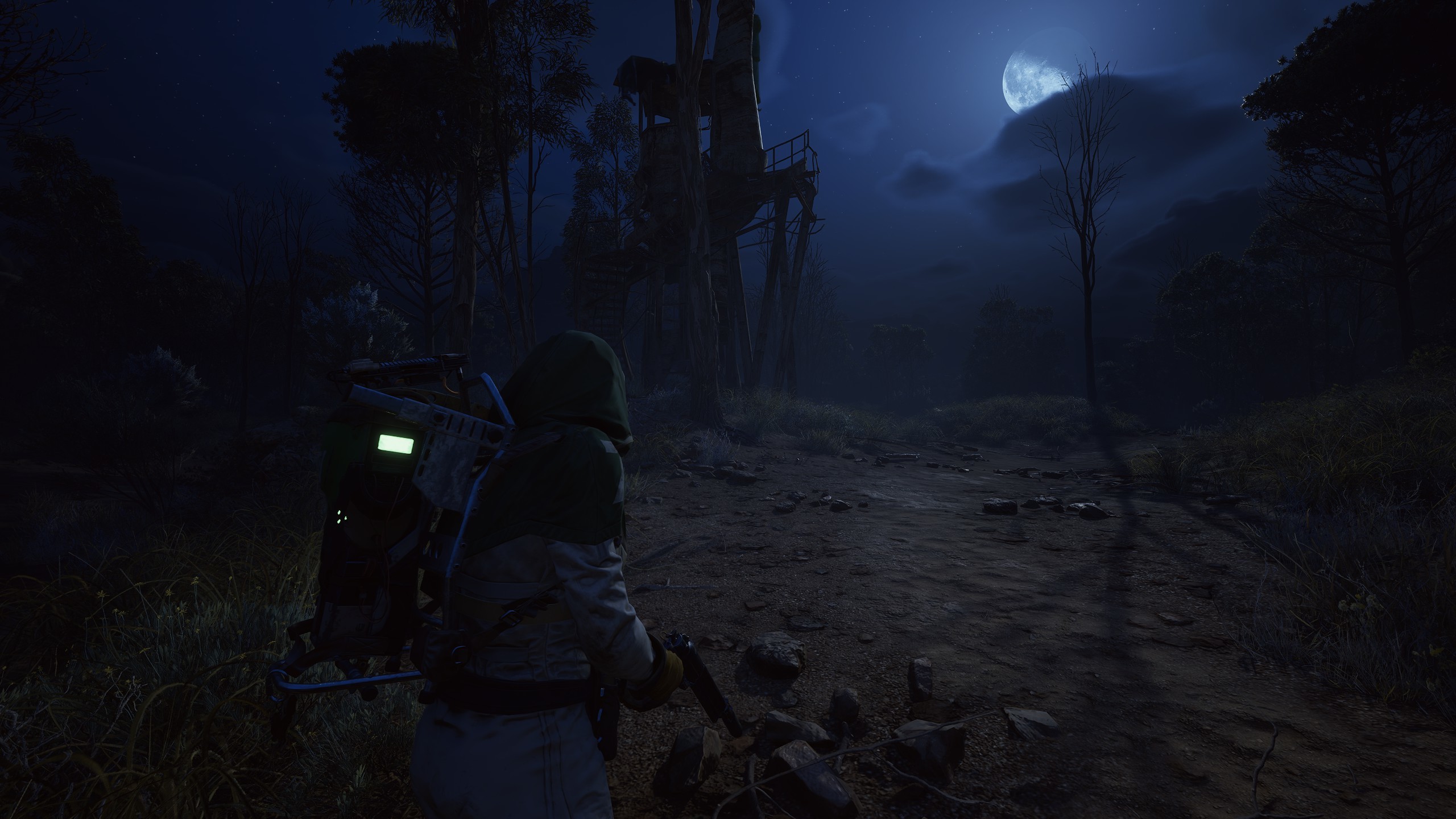

For the uninitiated, the ruins of X-Isle are little more than a backdrop for frantic artifact extraction—a chaotic arena of shattered concrete and rusted gantries. This surface-level interpretation misses the point entirely, reducing a masterfully crafted world to a mere gameplay space. The true narrative of the island is not delivered through quest logs or overt exposition; it is encoded into the environment itself, a silent script written in rust and ruin. The practice of Narrative Archaeology—the systematic analysis of object placement, environmental decay, and implied events—is the key to unlocking the deeper, often tragic, story of what truly transpired on X-Isle before the Renegades arrived.
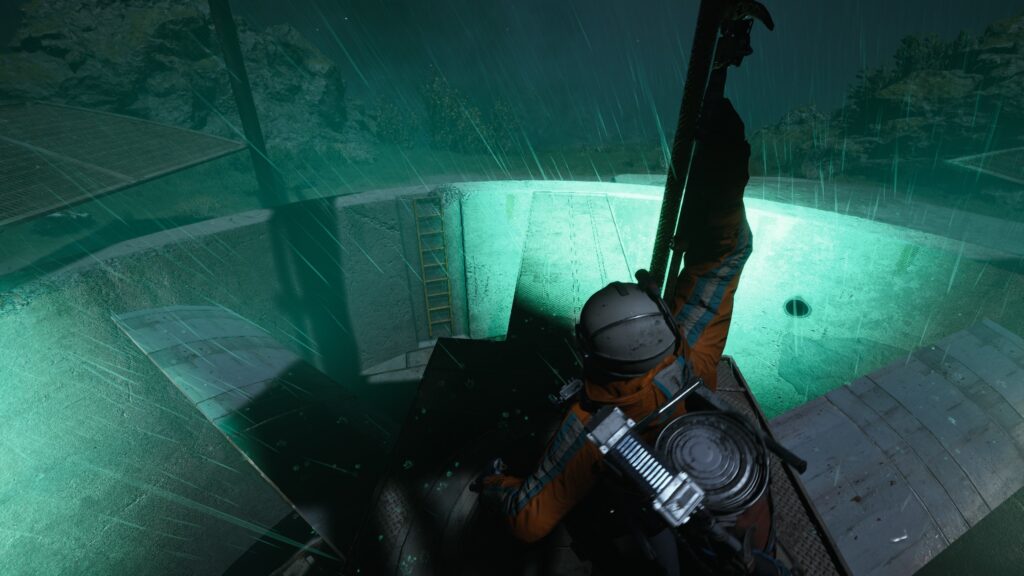
This document explores the principles of unseen narrative, demonstrating how careful observation of the island’s environmental threads provides a richer, more compelling context for every hunt, transforming players from looters into historians of a lost world.
The Principle of Narrative Implication
The core of X-Isle’s storytelling is Narrative Implication. The developers have not told us a story; they have presented us with the aftermath of one and trusted us to piece it together. A hastily abandoned research outpost is not just a loot location; it is a scene frozen in time. A scattered deck of cards, a knocked-over beaker, and a security console riddled with claw marks imply a story of sudden, violent interruption. These elements are not random decoration; they are deliberate narrative cues, each a breadcrumb leading to a larger truth.
Reading these scenes requires a shift in player mindset from “what can I loot here?” to “what happened here?”. Every discarded datapad, every hastily constructed barricade, every skeletal remain is a piece of a puzzle. The placement of a GRAIL scientist’s corpse next to a half-activated security drone suggests a final, desperate act of defense—a micro-story that exists entirely outside the main gameplay loop but adds immense weight to the world.
Environmental Set Pieces as Chronological Markers
X-Isle is not a single, uniform ruin; it is a layered tapestry of different eras of decay and conflict, each with a distinct visual signature. The discerning observer can use these visual cues as Chronological Markers to sequence the island’s violent history. This allows one to “read” a location and understand the sequence of events that shaped it.
- Era 1 (Pre-Incident): Characterized by order and corporate sterility. Pristine, albeit dusty, GRAIL signage, intact research terminals displaying mundane logs, and organized living quarters. These represent the island’s state of normalcy, a baseline of civilization before the fall.
- Era 2 (The Cataclysm): Defined by signs of immense, non-human destruction. Walls torn open from the outside, massive claw marks on reinforced steel, and the petrified, crystalline “Glyph” formations. This layer tells the story of the initial, overwhelming disaster that wiped out the original inhabitants.
- Era 3 (The Renegade Occupation): The most recent layer. Defined by crude, makeshift structures, graffiti-laden walls, scavenged technology, and temporary campfires. This layer shows how the current human faction has adapted to the ruins left by the first two eras, a parasitic existence on the bones of the past.
By learning to differentiate these layers, a player can read the history of a single location. A Renegade camp built within a ruined lab that shows signs of a cataclysmic breach is a powerful, three-act story told without a single word of dialogue.
Thematic Zones and Narrative Silos
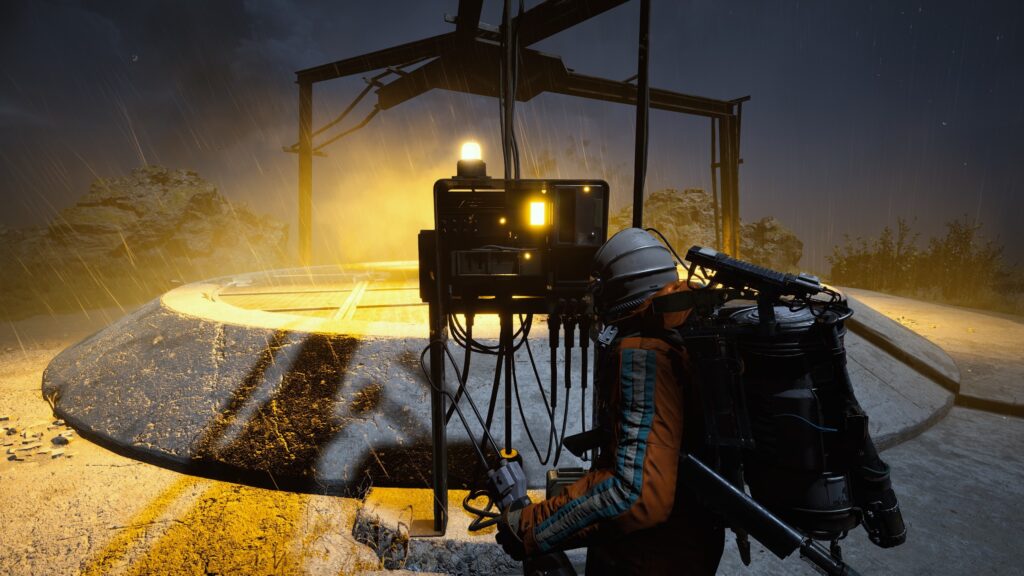
The island is not just layered chronologically; it is also divided into distinct Thematic Zones, each telling a different part of the GRAIL story. These “narrative silos” ensure that different areas of the map contribute unique facets to the overall lore.
| Zone | Primary Function | Environmental Storytelling Focus |
|---|---|---|
| Geological Research Outposts | Artifact study and excavation | Signs of a scientific discovery gone wrong; breached containment fields, frantic research notes. |
| Residential Hab-Blocks | Living quarters for GRAIL staff | Personal stories of the inhabitants; abandoned personal effects, family photos, signs of sudden evacuation. |
| Security Checkpoints / Bunkers | Island security and defense | Evidence of the last stand; spent shell casings, deployed barricades, overwhelmed defensive positions. |
Understanding these zones allows a player to anticipate the kind of story a location will tell, adding a level of predictive analysis to their exploration.
Object Permanence and Player-Driven Narrative
While much of the environmental narrative is static, certain elements respond to player presence, creating a sense of a living, breathing world. The most potent example is the Narrative of Extraction. An area freshly cleared of a Disciple may contain its shimmering, residual energy, a visual echo of the recent battle. Locations where artifacts have been recently extracted show signs of excavation—discarded tools, disturbed ground, and temporary lighting rigs left behind by a rival squad.
These subtle changes reinforce the idea that the island is a persistent world where events have consequences. Your successful hunt is now a part of the island’s ongoing story, a new layer of the narrative for another player to potentially discover. This creates a powerful link between the player’s actions and the unseen story threads, making them a participant in, not just an observer of, X-Isle’s history.
The Absence of Evidence as Evidence Itself
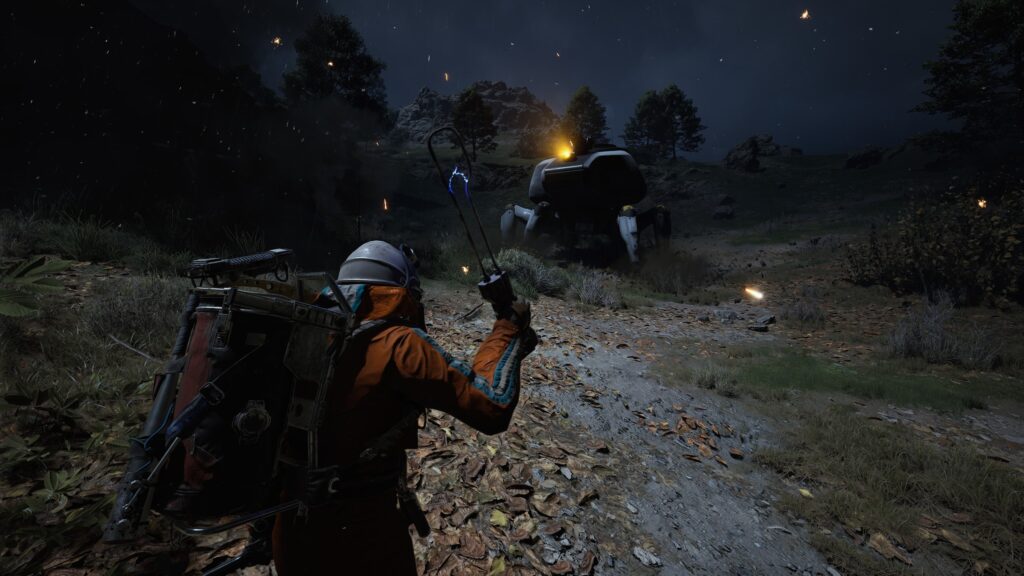
One of the most advanced techniques of Narrative Archaeology is interpreting the Absence of Evidence. Why is a high-security lab completely pristine, with no signs of struggle, while the hallway outside is a scene of utter carnage? This implies a story of a successful lockdown, of scientists trapped inside, their fate unknown. Why are there no reptilian bodies in a bunker filled with the skeletons of GRAIL guards? This suggests the creatures were not killed, but moved on, hinting at a larger, organized intelligence. What is not there can often tell a more chilling story than what is.
Conclusion: The Island as a Primary Source
To view X-Isle as merely a map is to miss its greatest achievement. It is a masterclass in environmental storytelling, a world that rewards curiosity with a deep and somber narrative. The practice of Narrative Archaeology elevates the player experience from a simple extraction shooter to a compelling exploration of a fallen world. By learning to read the language of rust, ruin, and misplaced objects—and even the significance of their absence—we can uncover the silent, tragic history that permeates every corner of the island and understand that the most compelling stories are the ones we must discover for ourselves.