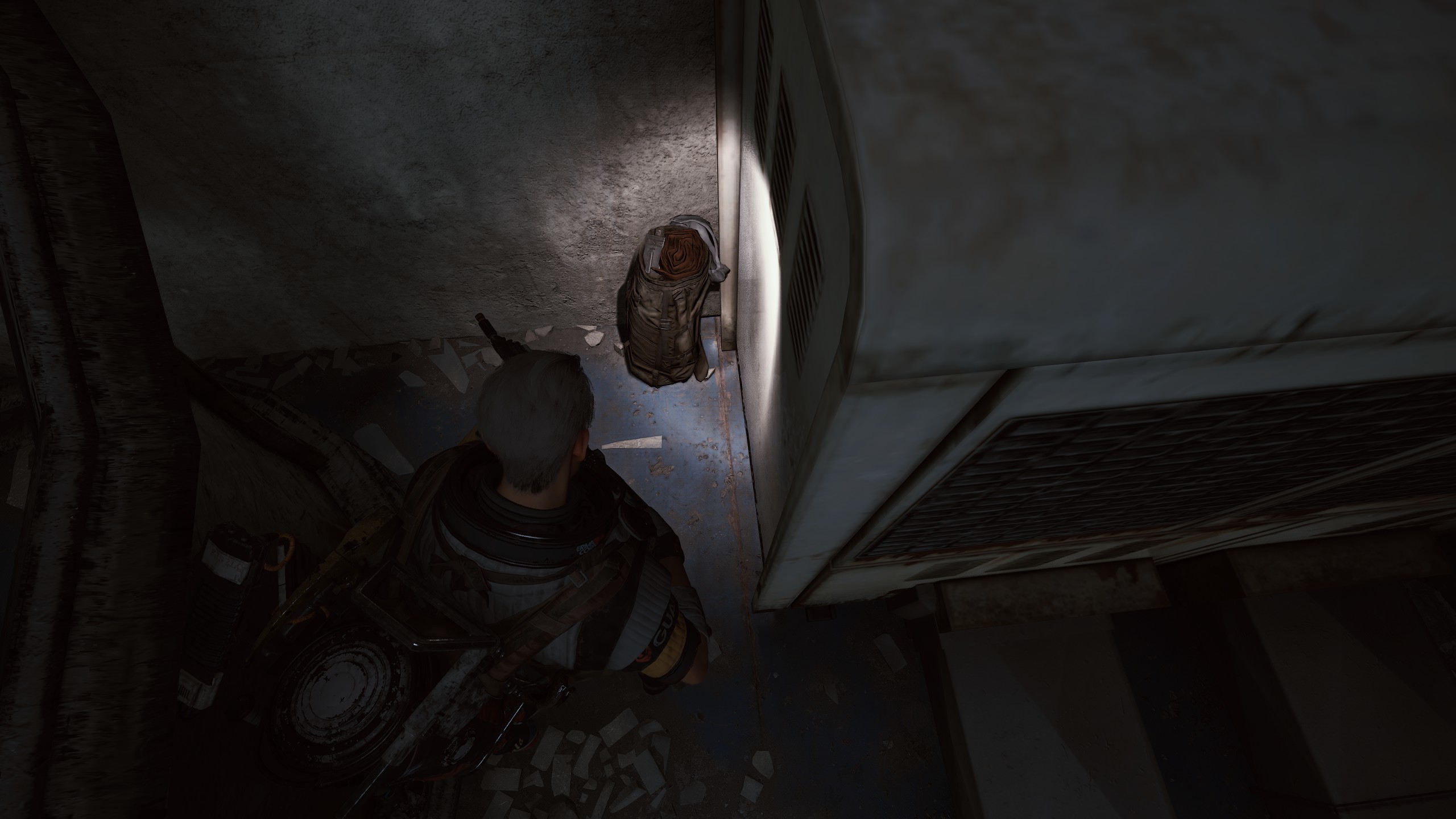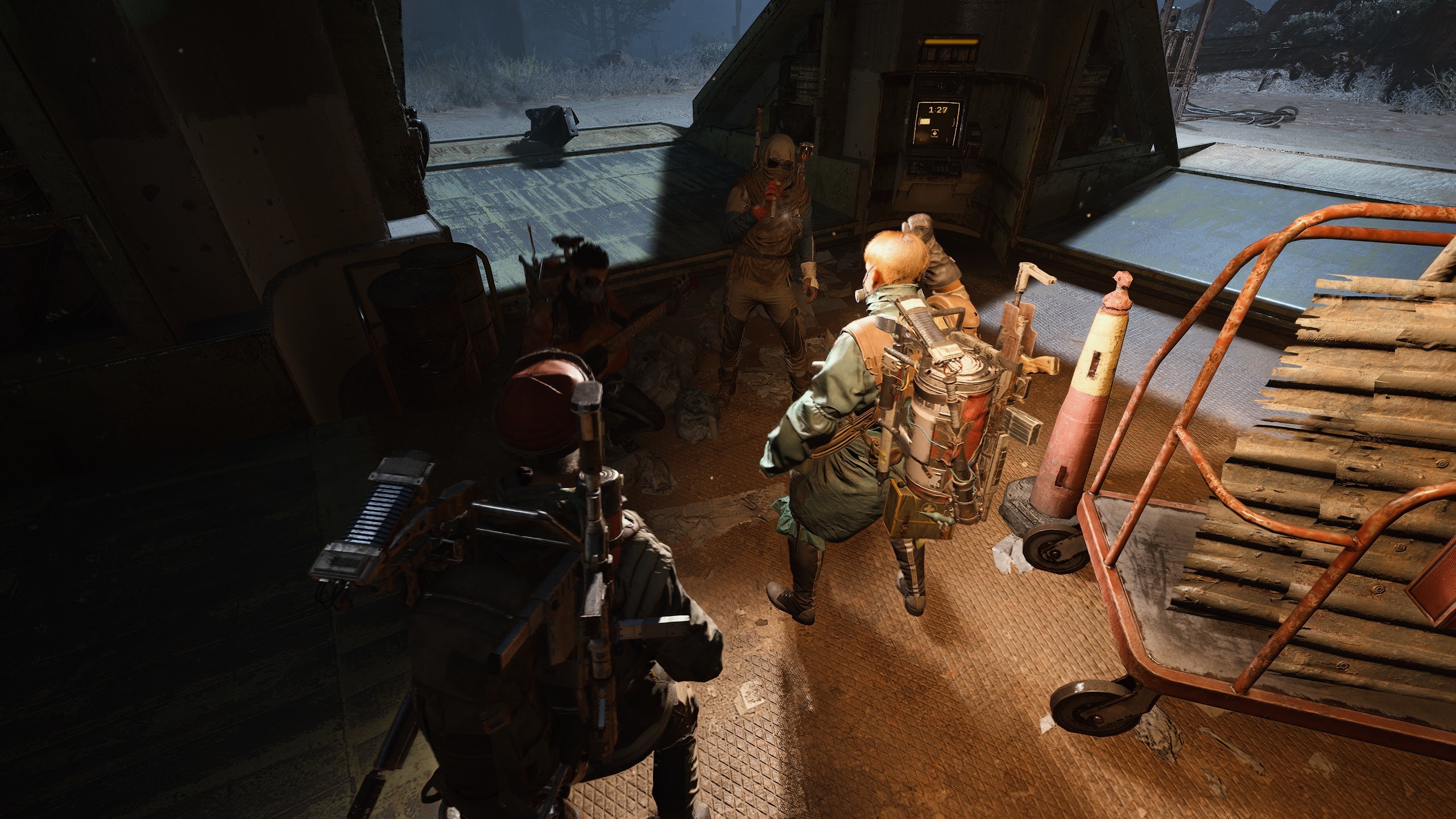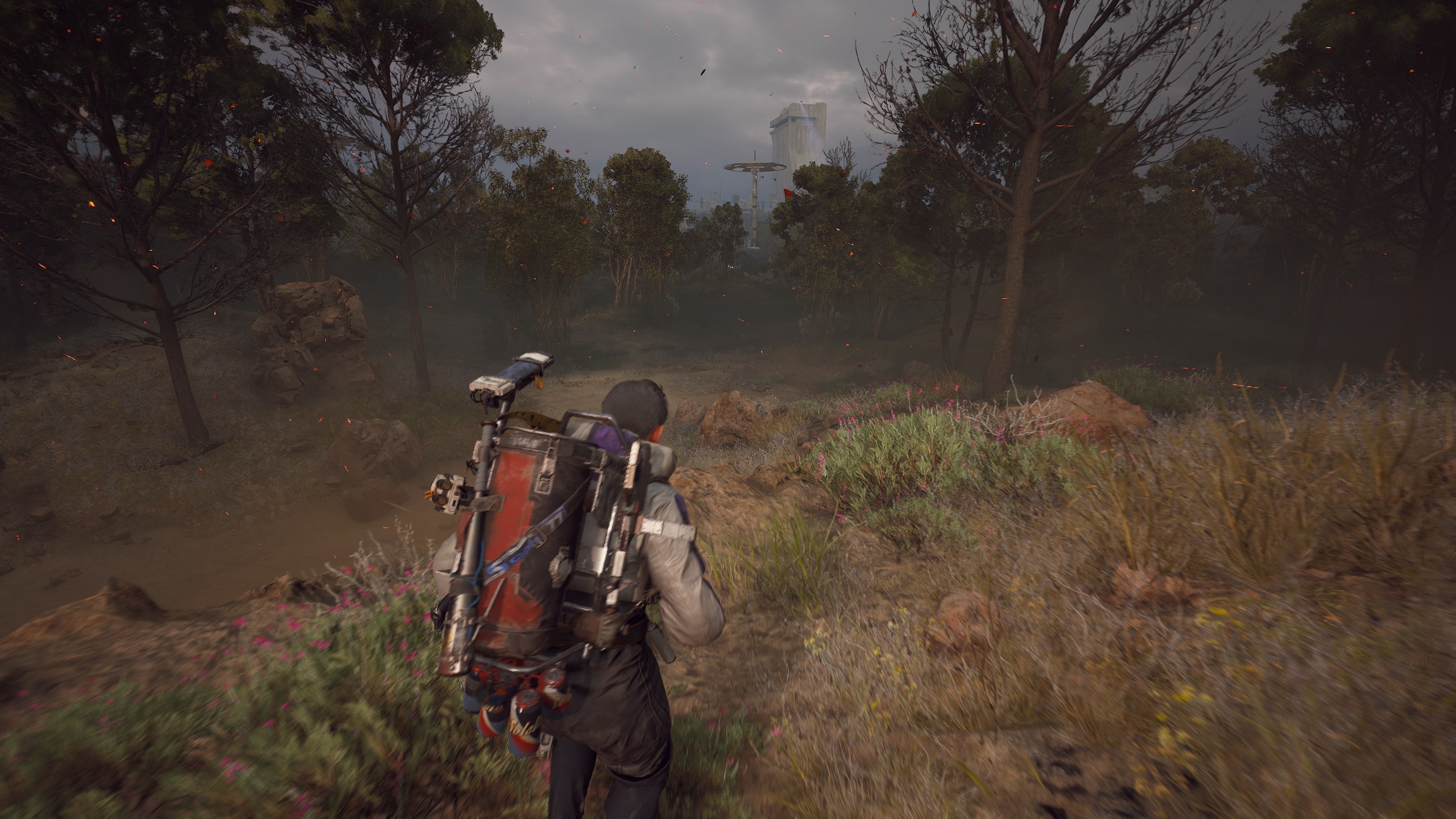

In a world of scarcity, the most vital resource is often the one that remains hidden. While major salvage points (HDSZs) are well-known, the continuous viability of the Resistance relies on discovering small, concealed caches—vestiges of pre-collapse desperation or localized industrial secrets. **Concealed Cache Recognition (CCR)** is the specialized discipline that trains the Raider’s visual perception to interpret subtle environmental cues, structural anomalies, and narrative fragments, transforming random debris into predictable resource vectors. The ability to find the unseen is the purest expression of the Scavenger ethos.
This analysis details the common concealment methods used by the Old World and offers protocols for utilizing existing gear to detect resource pockets beneath the chaos of the ruins.
The Principle of Anomaly Detection
The vast majority of X-Isle’s terrain is randomized debris (TVG), but concealed caches represent intentional, fixed placement. CCR relies on detecting **Anomalies**—patterns that deviate from the expected chaotic distribution of ruins. These may include strangely reinforced structural walls, unnaturally preserved ground sections in a highly damaged area, or small, non-descript access panels sealed by corporate-grade locks (Narrative Cartography).
- **Visual Cues:** Look for areas where debris patterns suddenly stop or shift, indicating an underlying, intact barrier.
- **Architectural Consistency:** Watch for specific structural materials (e.g., non-military, specialized polymer) that are inconsistent with the surrounding environment.
Interpreting Structural Reinforcement
Before the Collapse, resources were used judiciously. If a small, seemingly insignificant section of wall or floor is excessively reinforced with heavy-grade steel plating or concrete, it is a strong indicator that the space was protecting something valuable. CCR protocols advise placing a low-yield explosive charge on these reinforced anomalies, risking a small resource (LPO) for the potential recovery of high-value Tier II/III salvage.
The Role of Environmental Feedback (Acoustic and Visual)
Raiders can utilize environmental feedback to locate hollow spaces indicative of caches:
| Detection Method | Physical Cue | CCR Protocol |
|---|---|---|
| **Acoustic Ranging** | A distinct, hollow sound when traversing certain floor sections. | Mark the area and verify with a specialized sensor scan (if available). |
| **Thermal Scan** | An area exhibiting a stable, non-ambient temperature profile (indicating insulation). | Strong indicator of a sealed, climate-controlled corporate cache. |
Gadget Synergy in Cache Location
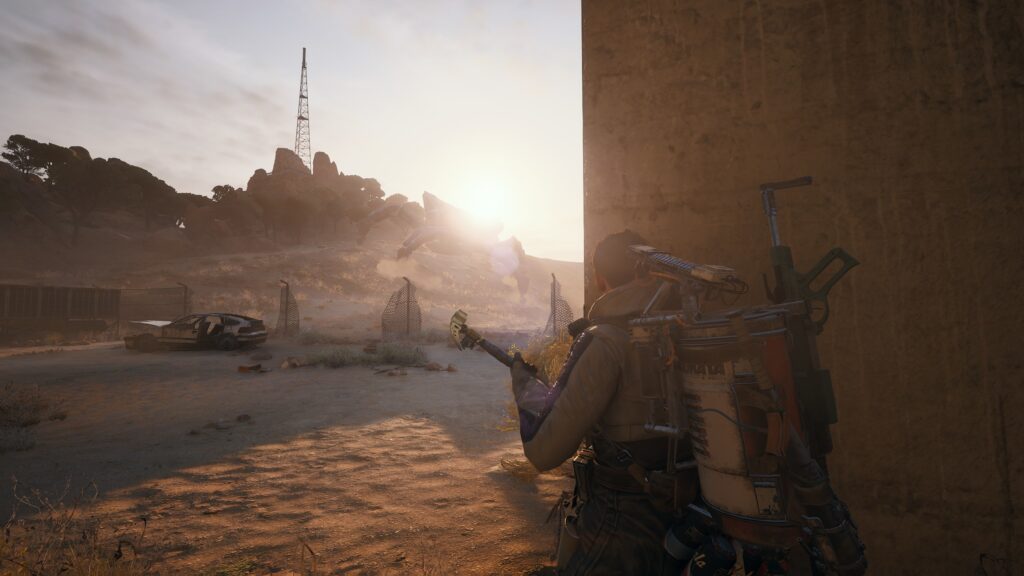
While the Recon Grenade is primarily for enemy detection (ABA), specialized Raiders utilize its pulse to map unusual density variances beneath debris. An area that reflects the pulse consistently, yet shows no corresponding visual object, may indicate an underground vault sealed by debris. This creative, A-Functional Repurposing of gear is a cornerstone of CCR.
The Ethical Dilemma of the Concealed Cache (URC)
Concealed caches often contain personal artifacts (CA) alongside resources. The Unwritten Raider’s Code (URC) demands respect for these remnants. Raiders must extract only the necessary resources, leaving personal artifacts intact for the Community Hub’s archive, adhering to the moral purpose of the struggle.
Conclusion: The Reward of Observation
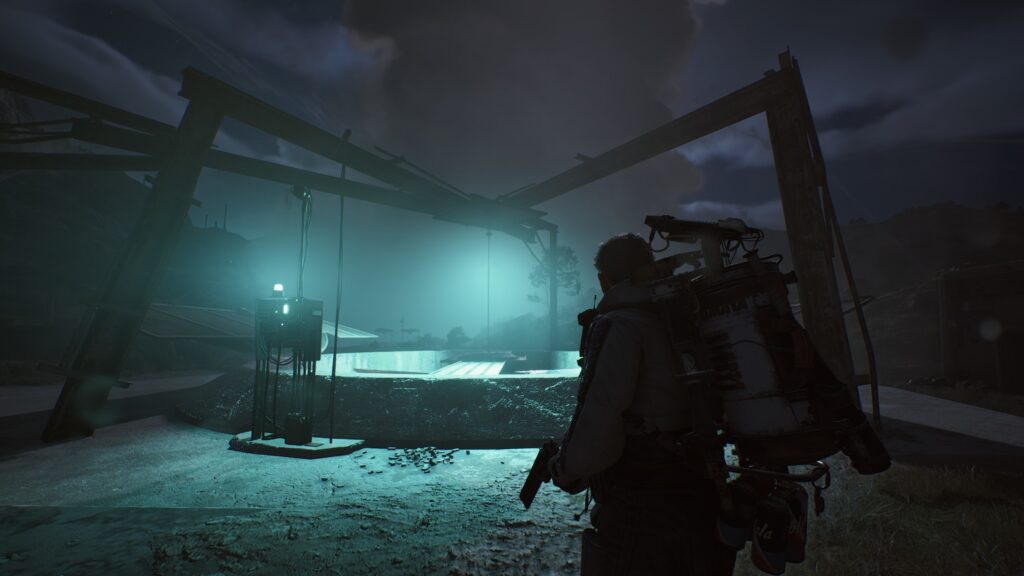
Concealed Cache Recognition transforms the debris of X-Isle from chaotic ruin into a searchable landscape. By training the “Scavenger’s Eye” to recognize subtle anomalies and utilize specialized sensory input, Raiders ensure that the Resistance continues to uncover the vital resources and hidden lore necessary for long-term operational viability.