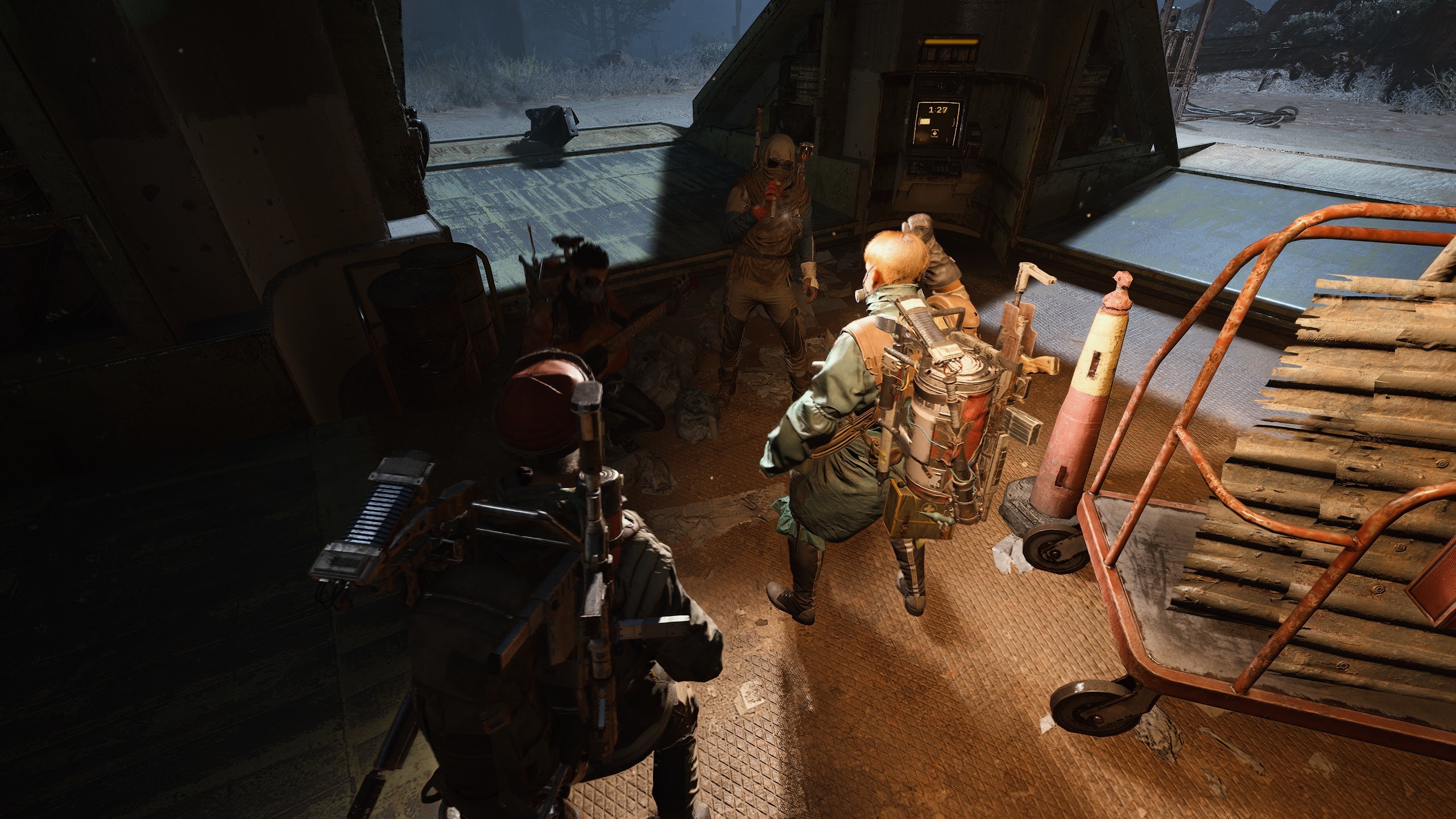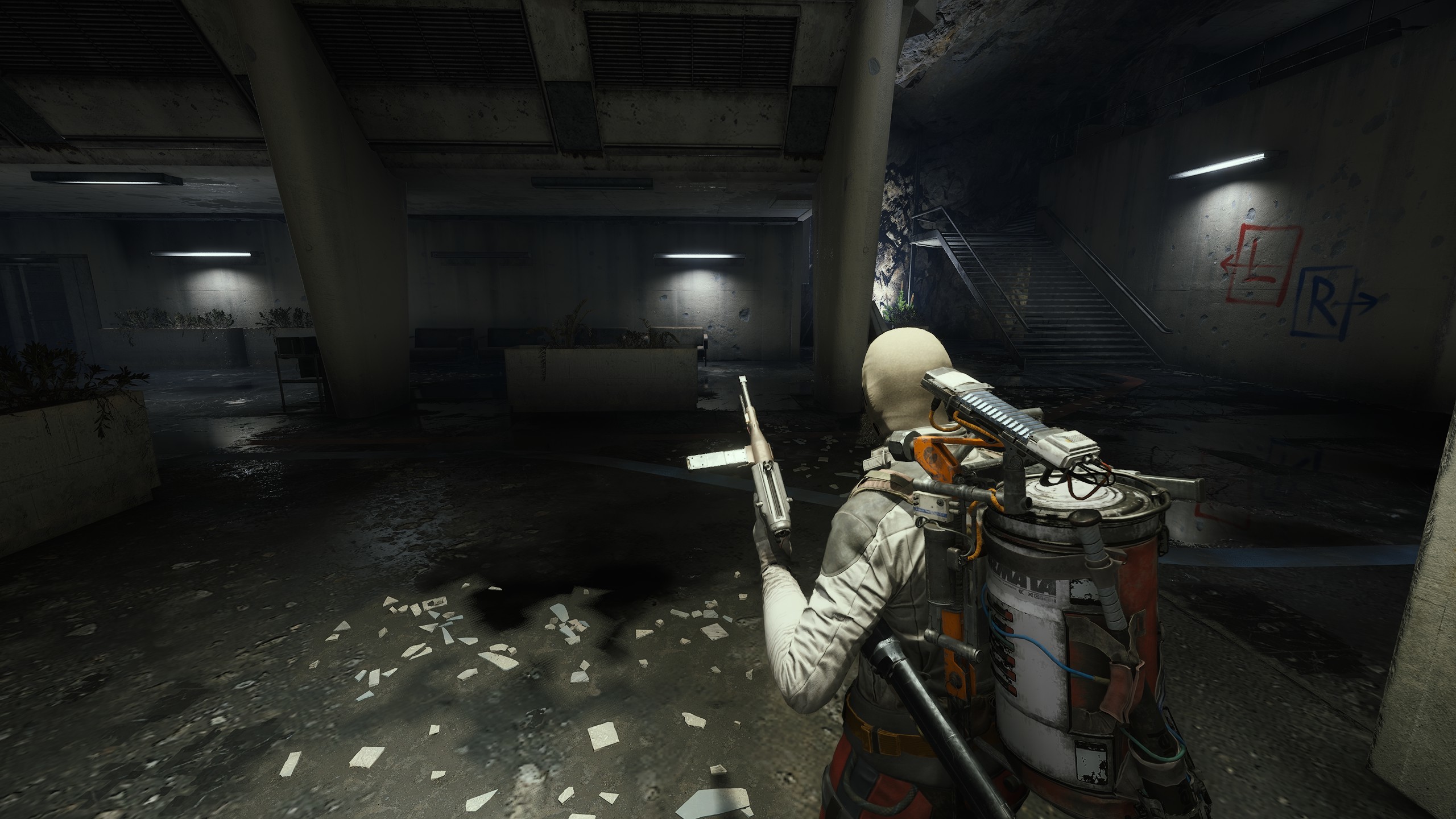

In Arc Raiders, enemies often signal intent before committing to an attack.
Movement changes, pacing shifts, and positioning tightens in ways that precede escalation. Players who wait for full commitment react too late. Survival improves when intent is read early and acted on before pressure locks in.
Why Intent Appears Before Action
Enemies must reposition to attack effectively. This repositioning creates detectable patterns—slowing to align, widening spacing, or adjusting angles.
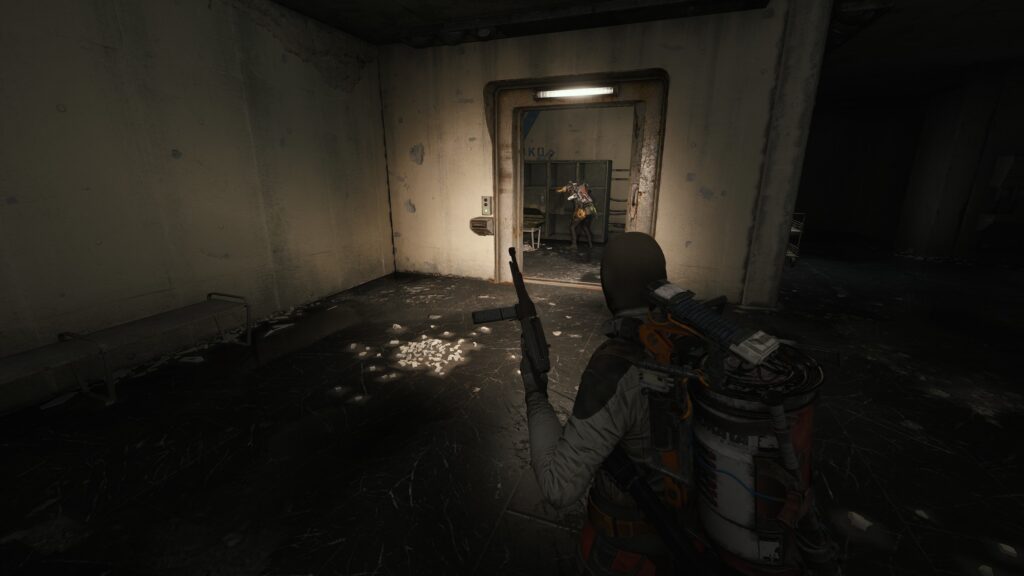
These moments exist briefly before engagement begins. Survivors watch for these transitions, treating them as decision windows rather than background motion.
Movement Patterns That Signal Escalation
Intent often shows through movement discipline.
Direct approaches, tightened formations, or repeated pathing indicate preparation rather than patrol. Survivors recognize when movement shifts from exploratory to purposeful. Acting during this phase preserves choice; waiting removes it.
Sound and Tempo as Early Warnings
Changes in sound density and cadence frequently precede contact. Footsteps synchronize, pauses shorten, and ambient noise gives way to deliberate movement. Survivors slow down when tempo tightens, allowing these cues to clarify direction and proximity. Early interpretation prevents forced reactions.
Misreads That Lead to Late Reactions
Certain assumptions delay recognition of intent.
- Assuming enemies are patrolling rather than positioning
- Waiting for visual confirmation before acting
- Interpreting silence as disengagement
- Overestimating reaction time once contact begins
These misreads surrender initiative.
Why Acting Early Preserves Control
Early action does not require engagement. Repositioning, delaying movement, or disengaging entirely often neutralizes threats before they fully form.
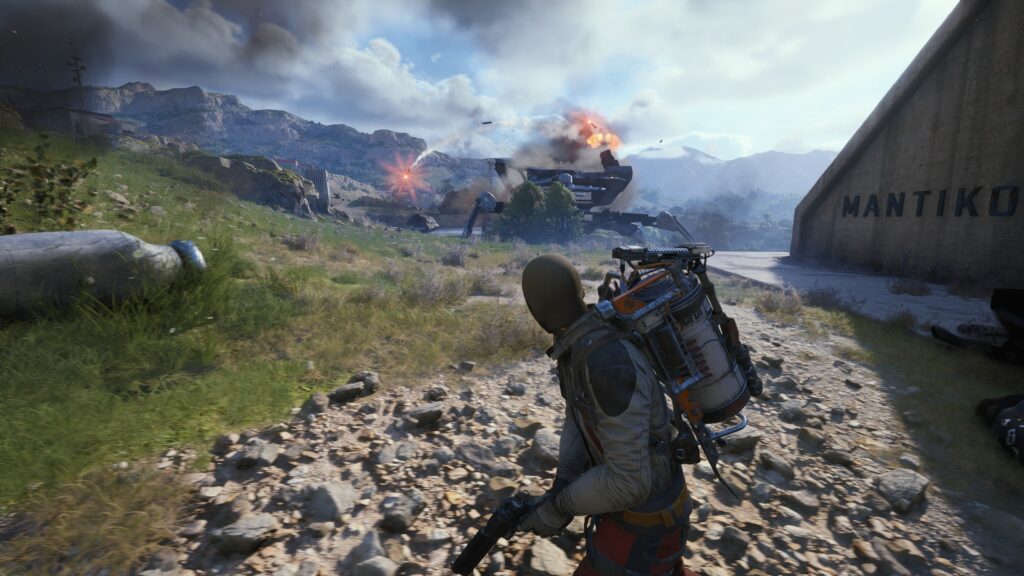
Survivors value these early interventions because they prevent escalation without cost. Control is maintained by acting on intent, not outcome.
Conclusion
Learning enemy intentions before full commitment in allows players to preserve initiative and avoid forced encounters.
Players who read movement, sound, and tempo act while options remain open. Survival improves when intent is treated as the real trigger, not the first shot. The earlier you read the signal, the less you need to react.